


Used Motorcycle Engines for Sale: Tested, Warrantied & Shipped Worldwide
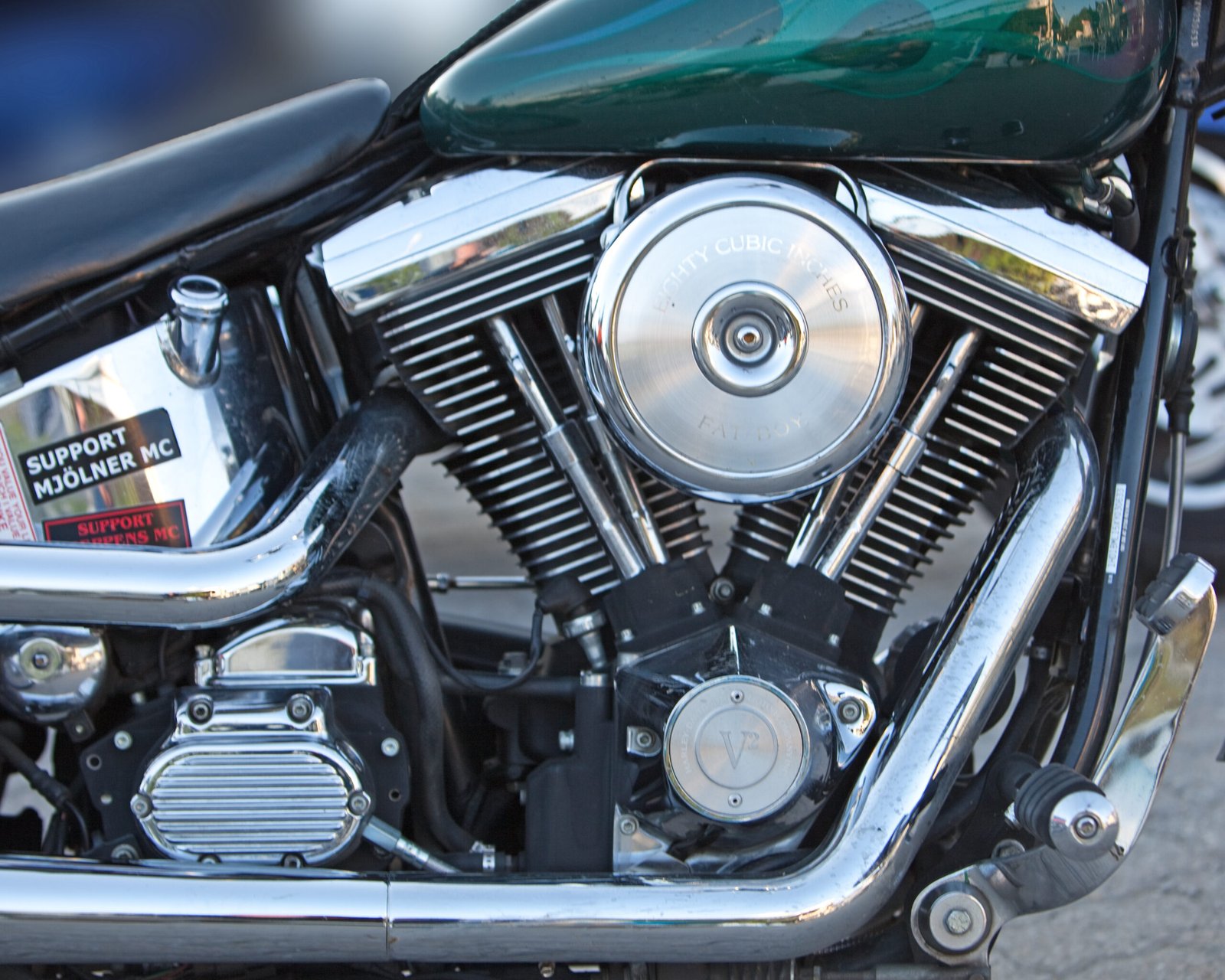
A bike with a seized top end or a rod knock isn’t dead, it’s just missing the one part that actually moves it. That’s usually the point where owners start looking for used motorcycle engines for sale instead of pricing out a full rebuild or, worse, parting out a bike that still has good frame, forks, and bodywork on it. We pull, test, and ship these engines every week, and this guide covers what you’re actually buying, what to check before you commit, and the specs that matter for the platforms we see the most requests for.
Motorcycle engines don’t get the same attention in the used-parts world that car engines do, mostly because the market is smaller and more scattered. Most riders end up choosing between a salvage yard that “thinks it ran,” a stripped-down eBay listing with one blurry photo, or a supplier that actually tests compression and documents mileage before it ships. We fall into that last group, and this article is written from that side of the counter.
What Counts as a Used Motorcycle Engine
When people search for used motorcycle engines for sale, they’re usually looking for one of three things, and it helps to know which one you actually need before you start calling around:
- Complete running assembly — block, heads, crank, pistons, cams, and typically the wiring harness and ECU if it’s fuel injected. This is the closest thing to a drop-in swap.
- Long block — the bottom end and cylinder head assembled and torqued, but without the carburetor or throttle body, intake, exhaust, and often without the starter or alternator.
- Short block — crankcase, crankshaft, connecting rods, and pistons only. Heads and top-end parts are sold separately or reused from your old engine if they’re still good.
Most riders replacing a blown engine want the complete assembly. It’s more money up front, but it saves you from chasing down a throttle body sensor or a specific wiring sub-harness three weeks into the swap. If you’re a shop doing volume work and you already have good heads sitting on a bench, a short block is the cheaper, faster path. For a closer look at what separates these builds on the car and truck side, our long block buying guide and short block breakdown cover the same terminology in more depth, and most of it carries over directly to motorcycle engines.
Engine Types We See the Most Demand For
Inline-four sportbike engines (Honda CBR, Suzuki GSX-R, Kawasaki ZX, Yamaha R-series) make up a huge share of the used engine market, partly because these bikes get dropped, raced, and tracked hard, and partly because the engines themselves are genuinely swappable across model years within a generation. V-twin cruiser engines (Harley-Davidson Milwaukee-Eight and Twin Cam, and various metric V-twins from Yamaha and Suzuki) are the second-biggest category, and single-cylinder dirt and dual-sport engines round out most of what moves through our warehouse.
| Engine Type | Typical Displacement | Common Power Range | Typical Used Price |
|---|---|---|---|
| Inline-4 sportbike (600cc class) | 599–636cc | 105–130 hp | $900 – $2,200 |
| Inline-4 sportbike (1000cc class) | 998–1099cc | 160–200 hp | $1,800 – $4,500 |
| V-twin cruiser (Big Twin) | 1450–1923cc | 65–95 hp | $1,500 – $4,000 |
| Parallel-twin adventure/standard | 649–900cc | 68–95 hp | $900 – $2,000 |
| Single-cylinder dirt/dual-sport | 250–650cc | 25–55 hp | $450 – $1,300 |
Prices swing a lot based on mileage, whether the engine came out of a wreck versus a running takedown, and how in-demand the platform is. A GSX-R 750 K-series engine, for example, holds value because it’s a favorite swap into older chassis and even into cars and sand rails, so donor engines get picked over fast.
Platform Notes: What We See Most Often
Honda CBR600RR / CBR1000RR: These engines are workhorses, and the biggest thing to watch is whether the unit came from a track bike, since aftermarket ECU tunes and higher redline use can shorten valvetrain life if maintenance didn’t keep pace. Stock, street-ridden units are generally the safer buy.
Suzuki GSX-R600 / GSX-R750 / GSX-R1000: Heavy crossover demand from car-swap builders means clean, low-mileage units move fast. If you’re shopping for a motorcycle-to-motorcycle swap, expect slightly tighter supply and be ready to move when a good one is listed.
Kawasaki ZX-6R / ZX-10R: Similar profile to the Honda and Suzuki inline-fours. Cam chain tensioner wear is the most common age-related issue we check for during inspection.
Harley-Davidson Twin Cam and Milwaukee-Eight: Cam bearing and oil pump wear are the usual failure points on higher-mileage Twin Cam engines. Milwaukee-Eight units are newer to the used market overall, so mileage tends to run lower across the board.
Yamaha R1 / R6, KTM Duke and Adventure singles and twins: KTM singles in particular see hard off-road use, so we pay close attention to case damage and oil contamination on these before listing them as tested.
What “Tested” Actually Means
Every used motorcycle engine we sell goes through the same basic checks before it’s listed, and this is the part most sellers skip or fake:
- Compression test on every cylinder, recorded and compared against factory spec. Anything more than about 10-15% variance between cylinders gets flagged and either rejected or priced accordingly with full disclosure.
- Visual inspection of the case for cracks, weld repairs, or impact damage, since a lot of engines come out of bikes that went down hard.
- Oil condition check — milky oil usually means a blown head gasket or cracked case, metal flake in the drain means bearing failure, and both disqualify an engine from being sold as a tested running unit.
- Spin test or run test where the engine is turned over by hand or, when the setup allows it, actually fired and run to confirm it isn’t seized and doesn’t have an obvious internal knock.
- Mileage verification pulled from the donor bike’s ECU or odometer cluster, not just taken on the seller’s word.
None of this guarantees the engine will run forever, nothing used does, but it’s the difference between buying a documented unit and buying a mystery box that might turn into a second repair bill.
Why Motorcycle Engines Actually Fail
A few patterns show up over and over in the engines that come through our shop:
Oil starvation from a skipped service interval. Motorcycle engines run hotter and at higher RPM than car engines relative to their size, and they’re a lot less forgiving of an owner who stretched an oil change by a few thousand miles. Cam lobes and rocker arms wear first, followed by rod bearings if it goes on long enough.
Overrevving past the rev limiter’s protection, or a missed shift. Grabbing a false neutral or downshifting two gears too many at speed can send a sportbike engine well past its safe redline before the rider even realizes what happened. Bent valves and thrown rods are the usual result.
Coolant system failures on liquid-cooled bikes. A cracked radiator, a failed water pump seal, or a stuck thermostat can cook a top end fast, especially on a bike that sat in traffic longer than it was designed for.
Crash damage. A low-side or high-side can crack cases, bend shift forks, or knock a stator loose even when the bike is otherwise cosmetically repairable. This is actually where a lot of our best inventory comes from, since the engine itself often survives a crash that totals the bodywork and frame.
What to Check Before You Buy
If you’re shopping for a used engine anywhere, not just from us, ask these questions before you send money:
- What’s the actual mileage, and how was it verified? A number pulled from an odometer photo is better than nothing, but an ECU pull or dyno log is better still.
- Was it a running takedown or a crash pull? Both can be fine, but a crash-pulled engine needs a closer look at the case and mounting points for hairline cracks.
- Does it include the wiring harness, ECU, and ignition components? On fuel-injected bikes, swapping an engine without the matching ECU and harness can turn into a compatibility nightmare, especially across model years where the immobilizer or emissions hardware changed.
- What’s the warranty, and what does it actually cover? A 30 or 60-day warranty on internal mechanical failure is standard from a legitimate seller. Anything sold with zero warranty at all should be priced like it, and treated with a bit more caution.
- Can they confirm year and model compatibility for your specific VIN? Motorcycle engine mounts, ECU pinouts, and even case casting numbers can change mid-generation in ways that aren’t obvious from a listing title alone.
Buying From Us: How It Works
We keep tested inventory across sportbike, cruiser, adventure, and dirt platforms, sourced from insurance salvage, dealer trade-ins, and running takedowns. Every listing includes the compression numbers, recorded mileage, and photos of the actual unit, not a stock catalog image. If you don’t see your exact engine code listed, reach out, we source specific units regularly and can usually locate what you need within a few business days through our supplier network.
For buyers who also need the transmission or a matching wiring harness, we can often bundle those with the engine at the time of sale, which saves a second shipping charge and guarantees the components actually came off the same donor bike.
Shipping and Worldwide Delivery
Motorcycle engines are compact and light compared to car or truck engines, which keeps freight costs reasonable even for international orders. We crate every engine to prevent shipping damage to the case, cylinder studs, and any exposed sensors, and we handle export documentation for buyers outside the United States. Most domestic orders move by ground freight or expedited parcel carrier depending on weight, and international orders typically clear customs within a week or two of arrival, though that timeline depends on the destination country’s import process. For more detail on how international freight and customs clearance actually work for engine shipments, see our worldwide engine shipping guide.
Pricing: What Actually Drives the Number
Beyond displacement and platform popularity, a few things move the price up or down on any given listing: recorded mileage (lower is worth more, but a well-maintained higher-mileage engine with documented service history can still be a smart buy), whether the ECU and harness are included, cosmetic condition of the cases, and how scarce that specific engine code is in the current salvage market. A four-cylinder sportbike engine that’s a popular car-swap donor, for instance, tends to command a premium over an equally clean engine from a less sought-after platform, simply because demand from two different buyer pools is competing for the same supply.
Used vs. Rebuilt vs. New: Which Actually Makes Sense
A brand-new crate engine from most manufacturers, when one is even available for your model, will run you anywhere from $4,000 to well over $10,000 depending on displacement and platform, and that’s before installation. A professional rebuild on your existing cases, assuming they’re not cracked, typically lands between $1,800 and $4,500 once you add machine shop work, gaskets, bearings, and labor. A tested used motorcycle engine usually sits well below both of those numbers, which is exactly why it’s the default choice for most owners who aren’t restoring a numbers-matching collector bike.
The tradeoff is straightforward: a used engine carries someone else’s history, even a well-documented one, while a rebuild lets you control exactly what gets replaced and what stays original. For a daily rider or someone doing a budget-conscious repair, the math almost always favors used. For a track bike getting pushed to its limits every weekend, or a bike you plan to keep for a decade, a rebuild with fresh bearings and a fresh top end can be worth the extra cost. There’s no universally right answer here, it depends on how you actually use the bike and how long you plan to keep it.
How to Identify Your Exact Engine Code
One of the most common mistakes we see is a buyer ordering based on the bike’s model year alone, then finding out the engine casting or ECU pinout changed mid-generation. Before you order, pull the engine code stamped into the case near the cylinder base or on a boss near the countershaft sprocket, it’s usually a combination of letters and numbers specific to that production run. Cross-reference that code against your VIN if you’re not sure where to look. We ask for this on every order specifically because “2015 CBR600RR” isn’t specific enough on its own to guarantee a bolt-in fit, especially if the bike has had any prior engine work or a mid-year running change from the factory.
If you’re not confident reading your own engine code, send us clear photos of the case markings along with your VIN, and we’ll confirm the match before anything ships. It takes an extra day but it saves both of us a return shipment.
Installation Notes Worth Knowing Before You Start
Swapping a motorcycle engine is a different job than a car engine swap in a few important ways. The engine is usually a stressed member of the frame on sportbikes, meaning it bolts in as part of the chassis structure rather than hanging from mounts, so torque specs on the engine mounting bolts matter more than people expect. Budget time for new gaskets at every mating surface you break loose, a fresh clutch cable or hydraline if you’re reusing the old one, and a full fluid change including coolant, oil, and often the final drive or chain adjustment once the swap is buttoned up. If the replacement engine came without a wiring harness and you’re adapting your old harness to a different engine code, expect to spend real time chasing sensor pinout differences, this is the single biggest source of “it doesn’t start” phone calls we get after a sale.
We recommend a compression and leak-down check on the replacement engine again after installation, before you put real miles on it, just to confirm nothing shifted or leaked during shipping and mounting. It’s a cheap insurance step against a bigger problem down the road.
Buyers Outside the United States
A meaningful share of our motorcycle engine orders ship outside the US, and the process is straightforward once you know what to expect. We provide commercial invoices with accurate declared values for customs clearance, and we can advise on HS codes for used motor vehicle parts if your freight forwarder needs that information. Transit time varies by destination and carrier, but most international motorcycle engine shipments arrive within two to four weeks door to door, factoring in ocean or air freight plus local customs processing. If your country requires specific import documentation for used engines, let us know before you order so we can prepare the paperwork correctly the first time rather than after a hold at customs.
Frequently Asked Questions
Will a used motorcycle engine come with a warranty?
Yes, our tested units include a 30 to 90-day warranty against internal mechanical failure, depending on the specific engine and mileage. Details are listed on each product page.
Can I get an engine that doesn’t include the wiring harness?
Yes, if you only need the long block or short block, we can quote it without electronics. Just confirm compatibility with your existing harness before ordering.
Do you ship used motorcycle engines internationally?
We do, to most countries with standard import procedures for used mechanical parts. Reach out with your destination and we’ll confirm freight cost and expected transit time before you order.
How do I know the engine will fit my exact bike?
Send us your VIN or the exact year, make, model, and trim, and we’ll match it against the engine code before you buy. Motorcycle engines are less interchangeable across trims than car engines, so this step matters.
What’s the difference between a long block and a short block?
A long block includes the cylinder head, camshafts, and valvetrain assembled onto the bottom end. A short block is just the crankcase, crankshaft, connecting rods, and pistons, meaning you’ll need to supply or reuse a cylinder head. Long blocks cost more but save you from matching head components separately.
Is a used motorcycle engine with higher mileage a bad idea?
Not automatically. A well-maintained engine with 40,000 miles and full service records can be a safer buy than a low-mileage engine with an unknown history or a hard life sitting outdoors. Mileage matters, but documentation and test results matter more.
What if the engine I need isn’t currently listed?
Tell us the exact engine code and we’ll check our supplier network. Motorcycle engine inventory turns over fast, and we can often source a specific unit within a few business days even if it’s not sitting on our shelf right now.
If you’re weighing a used engine against a full rebuild, it’s also worth reading our guide on engine replacement cost for a breakdown of how used, rebuilt, and new options compare on price. And if you’re new to buying engines online in general, our guide to finding used engines online covers the basics of vetting a seller before you commit.
Ready to find the right unit for your bike? Browse our current engine inventory or contact our team with your VIN and we’ll confirm fit, mileage, and price before you order.
Related Engine Buying Guides
Shopping for a different kind of powersport or specialty engine? Our team also tests and ships used ATV and UTV engines, used tractor engines, used RV engines, and used school bus engines, all tested, warrantied, and shipped worldwide.
Posts Widget




Best Auto Motors
USA HERALD MAGAZINE INC
Buy the best quality engines from our website online and get a fast delivery within 6 days.
Copyright 2022.KlbTheme . All rights reserved
