


Used Tractor Engines for Sale: Tested, Warrantied & Shipped Worldwide
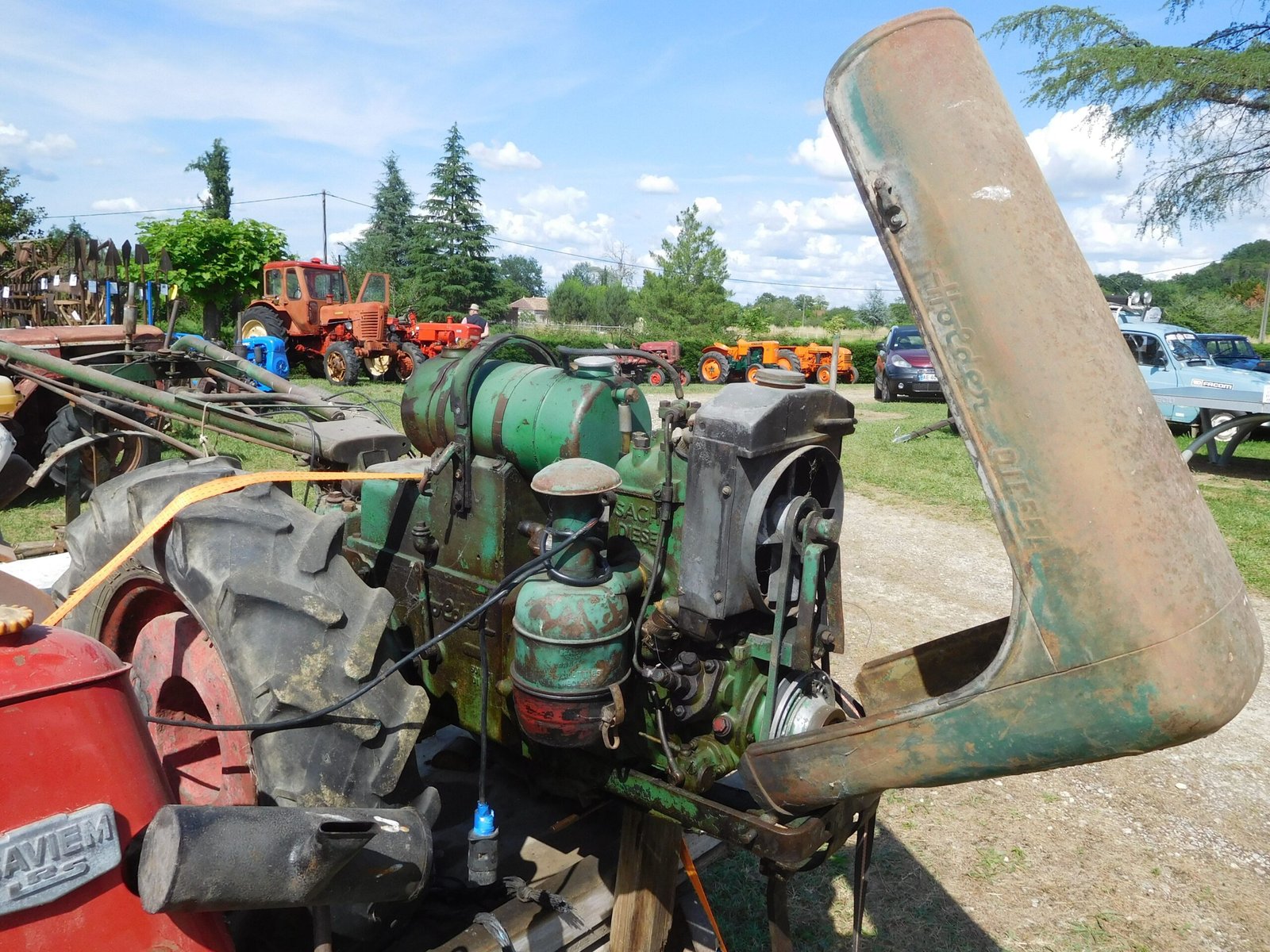
A tractor that won’t start during planting or harvest season isn’t just inconvenient, it’s lost days you don’t get back. That’s the exact situation that sends most farmers and equipment dealers looking for used tractor engines for sale instead of waiting weeks on a new factory unit or a full rebuild that ties up the machine at exactly the wrong time of year. We test and ship diesel tractor engines regularly, and this guide walks through what’s actually available, what the specs mean, and what to check before you buy one.
Tractor engines don’t fail the same way car engines do. Most of what comes across our bench has died from hour count and hard use rather than a single dramatic event, which actually works in a buyer’s favor, since a well-maintained high-hour engine can still have plenty of life left if the wear is even and the maintenance history checks out.
What Counts as a Used Tractor Engine
Same three categories that apply to most used diesel engines apply here, and knowing which one you need saves money:
- Complete engine assembly — block, head, turbo (if equipped), injection pump, and typically the wiring harness. Closest thing to a drop-in replacement for a compact or utility tractor.
- Long block — bottom end and head assembled, without turbo, injectors, or accessories. Common choice when your existing turbo and fuel system are still good.
- Short block — bare bottom end only. Used mostly by dealers and machine shops rebuilding on a customer’s core.
For a farmer trying to get back in the field fast, the complete assembly is almost always the right call, even at a higher price, because it removes the guesswork around matching an injection pump or turbo to a bottom end that wasn’t built with it originally.
Engine Families We Source Most
The tractor world runs on a smaller set of engine families than the car world, which actually makes sourcing easier once you know what you’re looking for. Compact and sub-compact tractors from Kubota, John Deere, and Massey Ferguson mostly run small-displacement inline diesels, often three or four cylinders, naturally aspirated or lightly turbocharged. Utility and row-crop tractors step up to four and six-cylinder turbo diesels, frequently the same core engine families used in trucks and construction equipment, which is part of why Cummins, Perkins, and John Deere PowerTech engines show up constantly in our tractor inventory.
| Tractor Class | Typical Displacement | Common Power Range | Typical Used Price |
|---|---|---|---|
| Sub-compact / compact (Kubota, JD 1-series) | 0.9L – 1.9L, 3-cyl | 18–35 hp | $1,800 – $3,500 |
| Utility tractor (40–100 hp class) | 2.9L – 4.5L, 4-cyl | 40–100 hp | $3,200 – $7,500 |
| Row-crop tractor (100–200 hp class) | 6.0L – 9.0L, 6-cyl | 100–225 hp | $6,500 – $16,000 |
| High-horsepower / articulated | 9.0L – 15L, 6-cyl turbo | 225–450 hp | $14,000 – $32,000 |
Prices track hour count more closely than they track age. A ten-year-old row-crop tractor engine with 2,500 hours and documented oil analysis is worth more to us, and to you, than a five-year-old engine with 6,000 hard hours and no service records.
Brand Notes: What We See Most Often
Kubota (D-series and V-series diesels): These small diesels are everywhere in compact tractors and show up constantly in our used tractor engine inventory. They’re generally simple, mechanically injected on older models, and hold up well if oil changes stayed on schedule. The most common failure we see is a cracked head from running low on coolant, since the small cooling systems on compact tractors don’t forgive neglect the way a larger radiator would.
John Deere PowerTech: Used across a wide range of utility and row-crop tractors, PowerTech engines are robust but parts-intensive to rebuild once you get into the fuel system and turbo, which is exactly why a tested complete assembly tends to be the better value versus a partial rebuild.
Massey Ferguson and Perkins: Massey Ferguson has leaned on Perkins diesels for decades, and Perkins engines have a strong reputation for being rebuildable almost indefinitely if the block and head aren’t cracked. We see steady demand for these specifically because parts support remains strong even on older models.
Case IH and New Holland (shared FPT/Iveco engine families): These modern turbo diesels are more electronically complex than older mechanical designs, and matching the correct engine control unit and wiring harness to your specific machine’s emissions tier matters more here than on older tractors.
Why Tractor Engines Actually Wear Out
Dust and particulate ingestion. Field work means constant exposure to dirt, chaff, and dust, and air filtration that gets neglected or damaged lets abrasive particles into the cylinders. This shows up as accelerated ring and cylinder wear long before the hour meter would suggest it’s time for a rebuild.
Extended idle time with light load. Tractors idle a lot, waiting between passes, running a PTO implement at low load, sitting hooked to an auger. Diesels that idle heavily without getting up to full operating temperature regularly build up carbon and can suffer from wet-stacking, where unburned fuel washes oil off the cylinder walls.
Coolant and overheating issues from clogged radiators. Chaff and debris pack into radiator fins during harvest, and an engine that runs hot repeatedly over a season will show head gasket failure or warped heads well before its rated service life.
Injection pump and injector wear from fuel quality. Off-road diesel and farm-stored fuel varies a lot in quality and water contamination compared to pump diesel, and that variability is hard on injection systems over years of use.
What “Tested” Means for a Tractor Engine
- Compression and compression ratio check across all cylinders, compared against factory spec for that engine family.
- Injection pump and injector function test where the setup allows it, since a weak pump can mimic symptoms of a worn bottom end.
- Visual inspection of the block and head for cracks, especially around injector bores and coolant passages, which is where thermal stress shows up first.
- Oil analysis or at minimum a visual oil check for metal content, coolant intrusion, and fuel dilution.
- Hour meter verification pulled from the donor machine’s ECU or mechanical hour meter, cross-checked against service records when available.
A tractor engine that passes all of this isn’t guaranteed to run forever, but it’s a documented unit rather than a gamble, and that documentation is what separates a legitimate supplier from a listing with a stock photo and a phone number.
What to Check Before You Buy
- Hour count and how it was verified. Ask for the source, mechanical meter, ECU pull, or seller’s word, and weigh accordingly.
- Whether the fuel system is included. Injection pumps and injectors are expensive to source separately, and mismatched fuel system components are a common cause of a “new engine” running poorly.
- Turbo condition, if equipped. A tired turbo can make a good bottom end look weak on a smoke test. Ask whether the turbo was tested or replaced.
- Compatibility with your specific tractor’s emissions tier. Tier 3 and Tier 4 engines have different exhaust aftertreatment requirements, and swapping between tiers can create compliance and wiring headaches depending on your local regulations.
- Warranty terms. A 30 to 90-day mechanical warranty is standard from a legitimate seller; make sure you understand exactly what triggers a claim before you install anything.
Buying From Us: How It Works
We keep tested tractor engine inventory sourced from equipment auctions, dealer trade-ins, and salvage machines pulled after non-engine total losses like frame or transmission damage. Every listing includes hour count, compression numbers where applicable, and real photos of the actual unit. If your specific tractor model or engine family isn’t listed, tell us the make, model, and engine code and we’ll check our supplier network, since inventory turns over fast in this category.
For dealers and shops buying in volume, we can also quote engine cores separately if you’re doing your own machine shop rebuilds and just need a graded donor block.
Used vs. Rebuilt vs. New Tractor Engines
A new factory tractor engine, when your dealer can even source one without a long lead time, typically costs two to four times what a tested used unit runs, and that’s before installation labor. A professional rebuild on your existing block, assuming it isn’t cracked, usually lands in the middle, and makes the most sense when you have sentimental or resale reasons to keep the original numbers-matching engine in a collector or show tractor. For a working farm machine where uptime matters more than originality, a tested used engine is almost always the fastest and most cost-effective path back into the field. For more detail on how these options compare across engine types generally, our engine replacement cost guide breaks down real numbers by option.
Shipping Tractor Engines Worldwide
Tractor engines are heavy and awkward to move, and freight is a bigger part of the total cost than it is for a car engine. We crate every unit on a purpose-built pallet to protect the oil pan, turbo, and injection pump during transit, and we handle export paperwork for buyers outside the United States. Agricultural equipment parts move through customs in most countries without unusual restrictions, though some regions require additional documentation confirming the part isn’t attached to a restricted whole-machine import. Let us know your destination country before ordering and we’ll confirm the paperwork needed and realistic transit time, which typically runs two to five weeks for international ocean freight depending on port and customs processing. See our worldwide engine shipping guide for more detail on how freight and customs actually work for engine-sized cargo.
Regional Notes for International Buyers
Demand for used tractor engines runs high in regions where new equipment costs and import taxes make a full new tractor impractical for a working farm, and where the local dealer network for a given brand is thin. Buyers frequently source engines to keep an existing fleet running rather than replace machines outright, since a tractor’s frame, transmission, and hydraulics often outlast the original engine by a wide margin with proper maintenance. If you’re managing equipment across multiple properties or a co-op, we can also arrange consolidated shipments for multiple engines to reduce per-unit freight costs.
Identifying the Correct Engine for Your Tractor
Tractor engine codes are usually stamped on a plate or boss on the block itself, near the injection pump mount or on the side of the block below the head. The same tractor model can run different engines depending on production year, emissions tier, and sometimes the region it was originally sold in, so matching by model name alone isn’t reliable. Before ordering, pull your engine’s serial number or, if the original engine is already out, the casting number stamped into the block. We cross-reference this against your tractor’s serial number range to confirm fit before anything ships, since a mismatched engine can mean the mounting points, PTO shaft coupling, or hydraulic pump drive don’t line up correctly.
Installation Considerations
Swapping a tractor engine is a bigger job than most car engine swaps simply because of how much is bolted to and driven off the engine itself, PTO shaft, hydraulic pump, sometimes the front axle drive on 4WD models. Budget for new motor mounts, a full gasket set, fresh coolant and oil, and time to properly bleed the fuel system on a diesel, since air in the injection lines is one of the most common reasons a freshly installed tractor engine won’t start or runs rough. If you’re moving the turbo, injection pump, or wiring harness from your old engine to the replacement, verify port and mounting compatibility before you start the swap rather than after the old engine is already out and the tractor is down.
We recommend a post-installation compression check and a careful look for coolant or oil leaks after the first few hours of operation, before you put the tractor back into full field use. Catching a loose fitting or a leak early is a lot cheaper than catching it after a planting season.
What Actually Moves the Price
Beyond hour count, a handful of factors push the price of a used tractor engine up or down on any given listing. Documented service history matters more here than in almost any other used-engine category we sell, since oil analysis records and maintenance logs give a much clearer picture of internal wear than mileage or hours alone ever could. Whether the turbo, injection pump, and wiring harness are included versus sold separately changes the price significantly, since sourcing those components individually often costs more in total than buying them as part of a tested complete assembly. Emissions tier also plays a role: Tier 4 engines with intact aftertreatment systems generally command a premium over Tier 2 or Tier 3 units because the aftertreatment hardware itself is expensive to source separately if it’s missing or damaged. Finally, platform popularity matters the same way it does with car engines, a Cummins or PowerTech engine used across multiple tractor and truck platforms tends to hold value better than an engine unique to one narrow model line, simply because demand comes from more directions.
If you’re budgeting for a repair and trying to decide between fixing your current engine or replacing it outright, it’s worth pricing both paths before committing. A shop quote for injectors, a turbo rebuild, and head machine work can add up close to the cost of a tested used tractor engine faster than most owners expect, especially once labor is factored in.
Frequently Asked Questions
How many hours is too many for a used tractor engine?
There’s no hard cutoff. A well-maintained diesel with 6,000 hours and documented oil changes can outlast a neglected engine with half that. We evaluate condition through testing rather than relying on the hour count alone.
Does the engine come with the turbo and injection pump?
Complete assemblies do. Long block and short block listings typically don’t, since these components are often reused from the original engine or sourced separately based on what’s still serviceable.
Can I get an engine for an older tractor that’s no longer in production?
Often, yes. A lot of our tractor inventory comes from equipment that’s decades old but still mechanically compatible with current parts. Send us your model and serial number range and we’ll check availability.
Do you ship used tractor engines internationally?
Yes, to most countries, with export documentation handled on our end. Contact us with your destination and we’ll quote freight and expected transit time before you commit.
What’s the difference between a Tier 3 and Tier 4 tractor engine?
Tier 4 engines include additional emissions aftertreatment (DPF, SCR, or both) required by newer regulations. Swapping a Tier 4 engine into a machine originally built for Tier 3, or the reverse, can require additional wiring and aftertreatment work, so confirm compatibility before ordering.
What’s the difference between a long block and a complete assembly for a tractor?
A complete assembly includes the turbo, injection pump, and typically the wiring harness, ready to mount with minimal component matching. A long block is just the bottom end and head, meaning you’ll reuse or separately source the fuel system and turbo, which usually means more labor and matching work on your end.
Is it worth buying a used tractor engine for an older machine still in daily use?
Often, yes. Tractors are built to outlast their original engines by a wide margin when the frame, transmission, and hydraulics are properly maintained, so replacing just the engine on an otherwise sound machine is usually far cheaper than replacing the whole tractor.
If you’re also sourcing parts for a broader fleet rebuild, our engine repair parts guide and industrial engine inventory cover related components and engine families that often overlap with agricultural equipment.
Ready to get your tractor back in the field? Browse our current diesel engine inventory or send us your tractor’s make, model, and engine code and we’ll confirm fit, hours, and price before you order.
Related Engine Buying Guides
Looking for a different kind of specialty engine? We also test and ship used motorcycle engines, used RV engines, used school bus engines, and used ATV and UTV engines, all tested, warrantied, and shipped worldwide.
Posts Widget




Best Auto Motors
USA HERALD MAGAZINE INC
Buy the best quality engines from our website online and get a fast delivery within 6 days.
Copyright 2022.KlbTheme . All rights reserved
