


Engine Financing Available: How to Pay for a Replacement Engine Over Time
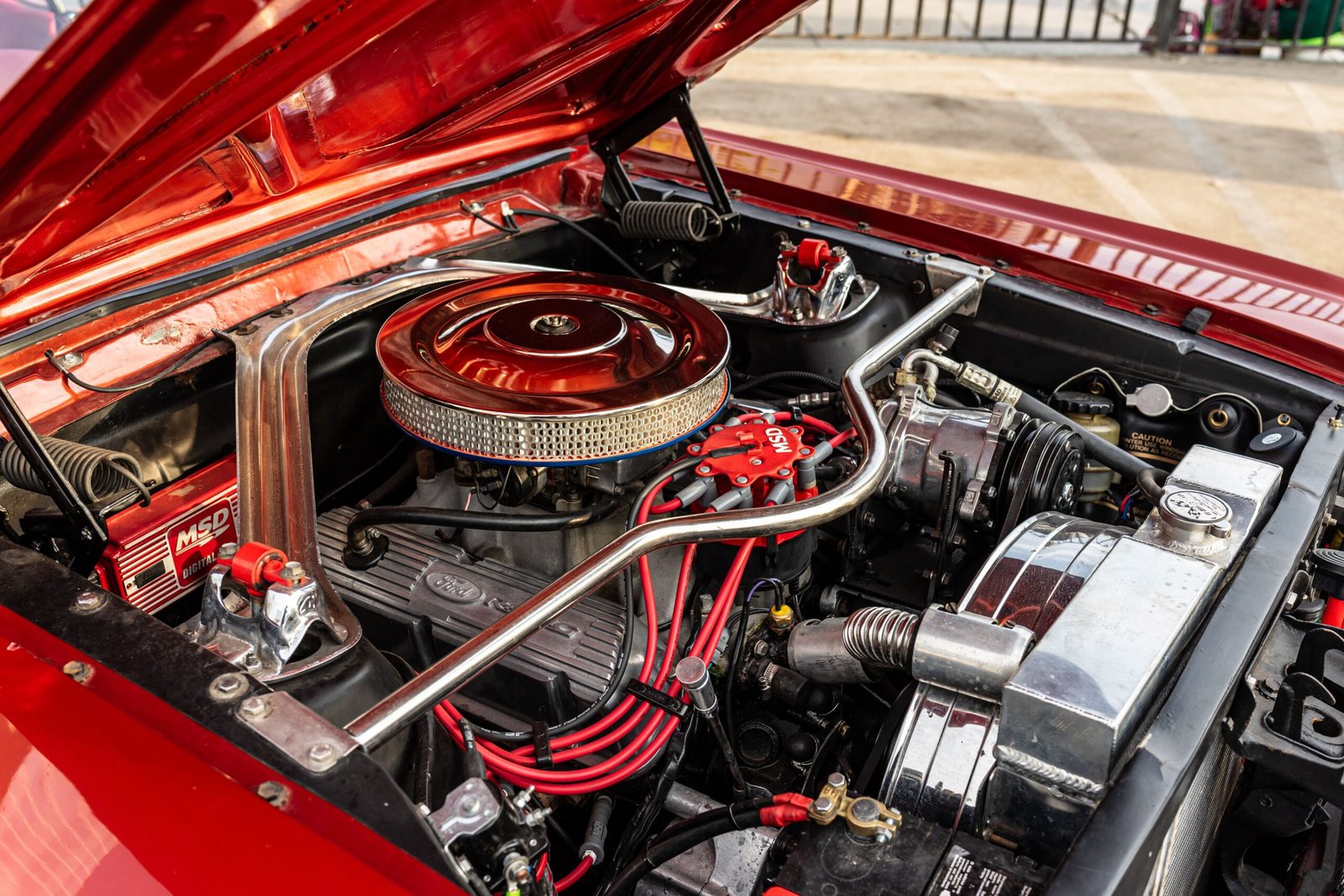
The engine dies on a Tuesday, and by Wednesday you’re staring at a quote that doesn’t line up with what’s sitting in your bank account. This happens more than people admit out loud. It’s not a sign of bad planning, it’s just how car trouble tends to work: it doesn’t wait for payday. That’s the exact situation engine financing is available to solve, and I want to explain how it actually works here rather than leaving you to guess at checkout.
Why We Offer Engine Financing Available on Qualifying Orders
A replacement engine isn’t a discretionary purchase. If your car is how you get to work, get your kids to school, or run your business, a dead engine isn’t something you can just put off until next month. At the same time, most people don’t keep two or three thousand dollars sitting around specifically for this kind of emergency. That gap between “I need this now” and “I can pay for this all at once” is exactly why engine financing is available, so the timing of your car trouble doesn’t have to dictate whether you can actually get it fixed.
How the Financing Process Works
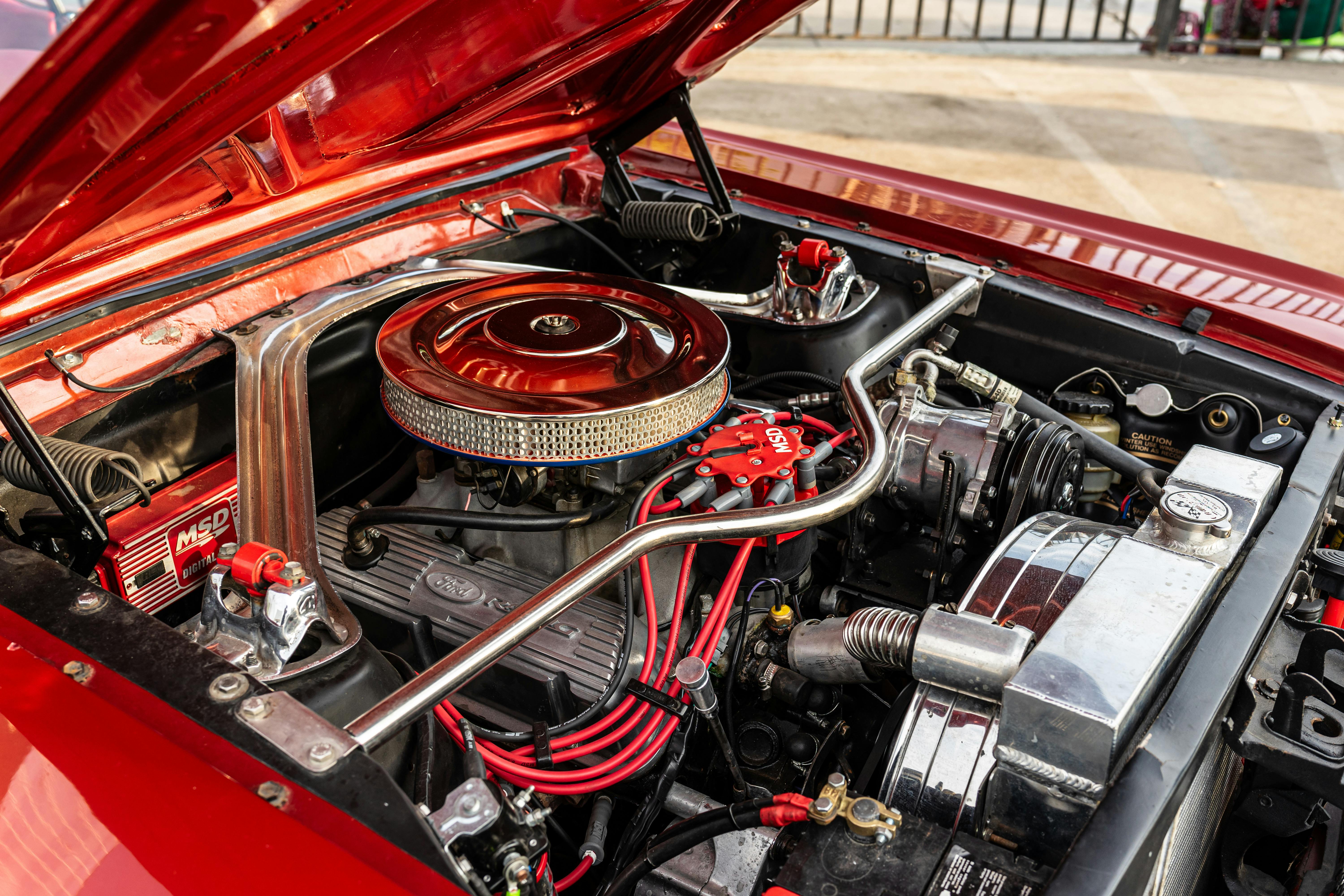
The short version: you pick the engine you need, apply for financing on the order, get an approval decision, and once approved, the engine ships while you pay it off over an agreed schedule instead of all at once upfront. It’s not fundamentally different from financing any other significant purchase, the difference is that engine financing is available specifically structured around the way people buy auto parts, not furniture or electronics, so the approval process tends to move faster than a traditional loan application.
Most qualifying buyers can get a financing decision back quickly, often within the same day, since speed matters when you’re trying to get a vehicle back on the road. The application typically asks for basic income and identity verification, nothing especially invasive, and approval is based on your ability to make the scheduled payments rather than requiring a large down payment upfront.
What You Can Finance
Engine financing is available across most of our inventory, from smaller four-cylinder replacements to larger V8 and turbocharged options. As an example of the range: the Mazda Skyactiv-G 2.0L at $1,600 is a common financed purchase for buyers who want to spread even a modest cost over a few payments rather than draining a savings account. On the higher end, something like the BMW B57D30S0 quad-turbo diesel at $8,500 is exactly the kind of purchase where financing makes the difference between being able to afford the repair at all versus not.
Financing isn’t limited to a specific price bracket or engine type. Whether you’re looking at a mid-range option like the Toyota A25A-FKS at $1,400 or a premium performance unit like the BMW S55B30 at $4,800, the same financing process applies.
Real Numbers, Not Vague Promises
I’m not going to pretend every financing offer in this industry is transparent, because plenty aren’t. Some “financing available” claims are just a way to get you on the phone with a high-pressure sales pitch. What engine financing is available here means, in practical terms: a clear total cost shown before you commit, a defined payment schedule you can see in advance, and no hidden fees buried in fine print that surface after you’ve already agreed. If a financing offer from any supplier doesn’t show you the full repayment total upfront, that’s worth questioning before you sign anything.
Who Actually Qualifies
Financing approval depends on standard factors: income verification, credit history, and the size of the purchase relative to what you’re bringing in. That said, engine financing is available to a wider range of buyers than people often assume, including those with less-than-perfect credit, since the financing partners we work with specifically serve the auto parts and repair space and understand that a blown engine isn’t a discretionary luxury purchase. If you’re unsure whether you’d qualify, it costs nothing to apply and find out rather than assuming the door is closed.
Why Financing a Used Engine Makes More Sense Than a Credit Card
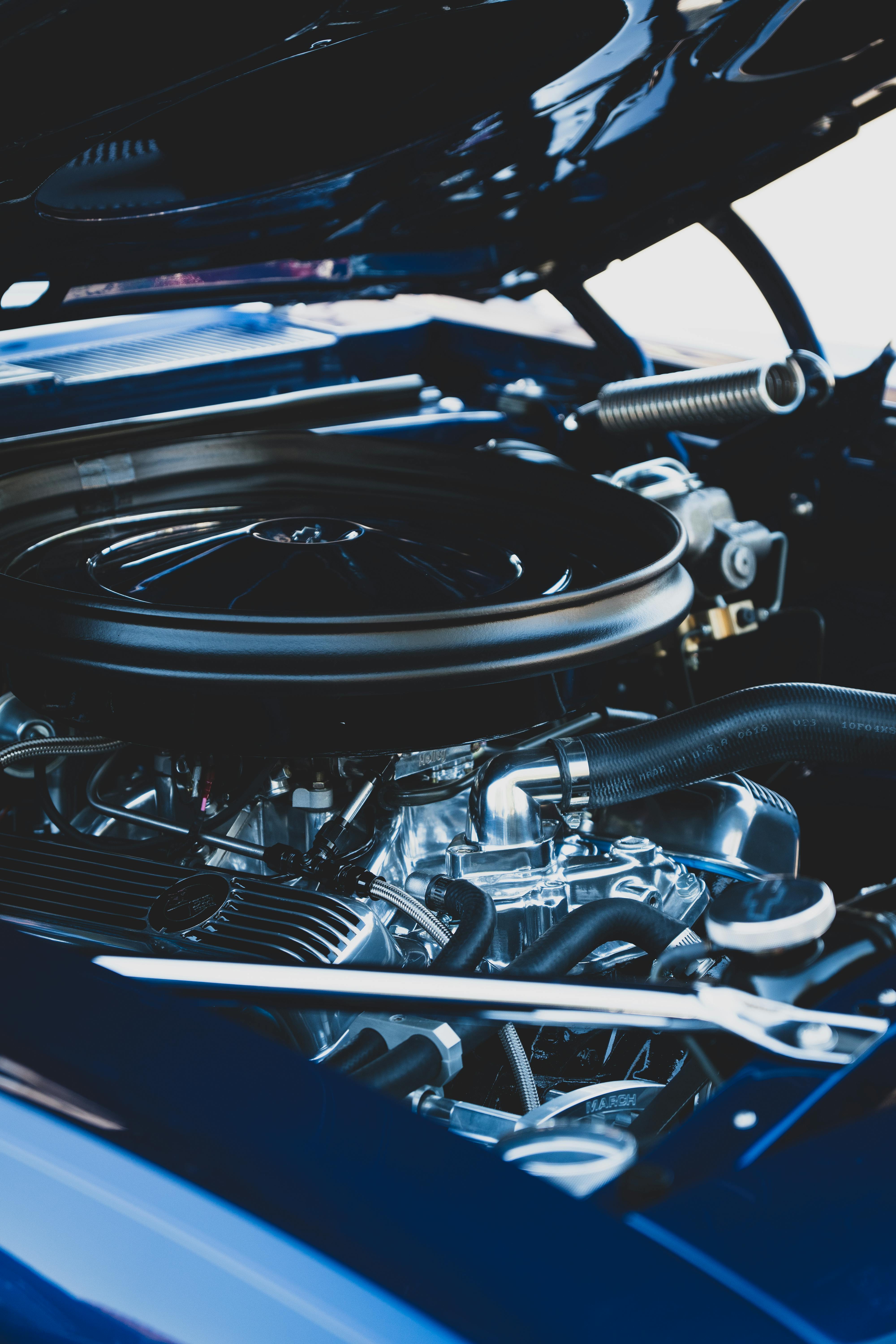
Plenty of people default to a credit card when the engine dies, and I understand the instinct, it’s fast and familiar. But credit card interest rates on a balance you’re not paying off immediately tend to run higher than dedicated financing options, and carrying a large balance on a card can also affect your available credit for other emergencies. Engine financing is available with terms structured specifically around this kind of purchase, which in many cases works out to a more manageable monthly payment and a clearer payoff timeline than letting the balance sit on a card indefinitely.
Combining Financing With a Genuinely Affordable Engine
Financing works best when it’s paired with a smart underlying purchase, not used to justify overspending. That’s part of why we test every engine before it’s listed, compression checked, visually inspected, and run-tested where possible, so that when engine financing is available on a listing, you’re financing a documented, tested part rather than an unknown risk stretched out over a payment plan. Financing a bad purchase just spreads out the disappointment; financing a properly tested engine spreads out a cost you were always going to need to pay anyway.
What Happens If You Need to Pay Off Early
If your financial situation improves before the term is up, most financing arrangements allow early payoff without a penalty, though this depends on the specific financing partner and terms of your agreement. It’s worth asking directly at the time you apply, since not all financing products treat early payoff the same way, and knowing your options upfront avoids any confusion later.
Shipping Timeline When You Finance
One common question: does financing delay when the engine actually ships? In most cases, no. Once your financing application is approved, the order processes the same way a paid-in-full order would, and the engine ships according to normal lead times. Engine financing is available specifically so the payment method doesn’t become an additional bottleneck on top of an already stressful situation.
International Buyers and Financing
Financing options can vary depending on your country of residence, since financing partners operate under different regulatory frameworks in different regions. If you’re ordering from outside the country where financing is primarily offered, reach out directly to confirm what’s available to you, since we ship engines worldwide but financing eligibility isn’t always identical across every region, and it’s better to know upfront than to be surprised at checkout.
A Realistic Example of How This Plays Out
Say your vehicle needs a mid-range replacement engine priced around $2,000. Rather than paying that in full immediately, engine financing is available to split that total into a series of smaller payments over an agreed term. You get your car back on the road within the normal shipping and install timeline, and instead of one large hit to your finances, you’re managing a predictable monthly payment that fits within your existing budget. That’s really the entire value proposition, matching the timing of the expense to the timing of your income instead of forcing the two into alignment through a stressful scramble.
Frequently Asked Questions About Engine Financing
Is there a minimum purchase amount to qualify for financing? Typically financing makes the most sense on larger purchases, but it’s worth checking on smaller orders too since eligibility can vary by financing partner and current promotions.
Does applying for financing affect my credit score? Depending on the financing partner, a soft inquiry may be used for pre-qualification, with a hard inquiry only occurring if you move forward with a full application. Ask directly before applying if this matters to you.
Can I finance the engine and the installation labor together? This depends on whether you’re using a shop that participates in the same financing program. Ask us directly and we can point you toward options that may cover both.
What if my application is declined? A decline on one financing product doesn’t necessarily mean every option is closed. Reach out and we can talk through alternatives, including a smaller upfront payment combined with a shorter financed balance.
Different Types of Financing You Might Be Offered
Not all financing looks the same, and it helps to know what you’re actually being offered when engine financing is available at checkout. Installment financing splits the total into fixed monthly payments over a set term, usually with interest calculated upfront so you know the total repayment amount before you agree to anything. Buy-now-pay-later style options sometimes split a purchase into a handful of payments over a much shorter window, often interest-free if paid on schedule, though missing a payment can trigger fees. In-house payment plans, where the seller themselves manages the schedule rather than a third-party lender, tend to be more flexible on approval criteria but should still come with a written agreement spelling out the total cost and due dates.
The Consumer Financial Protection Bureau’s auto loan resources are a good general reference if you want an outside perspective on how installment financing works before you commit to any offer, ours or anyone else’s. Whichever structure applies to your order, ask directly which category it falls into. The difference between an interest-free short-term plan and a longer installment loan with accumulating interest can add up to a meaningfully different total cost, even if the monthly payment number looks similar at a glance.
How to Improve Your Approval Odds
If you’re worried about qualifying, there are a few practical things that tend to help. Applying for an amount that closely matches the actual invoice, rather than rounding up for extra cushion, keeps the request in line with what a lender expects to see for this category of purchase. Having your income documentation ready, recent pay stubs or bank statements, speeds up verification instead of leaving an application sitting in a queue. And if your credit history is thin or uneven, some financing partners weigh employment stability and income consistency more heavily than a raw credit score, so it’s worth applying even if you’re not confident about the number on your credit report.
A Few Realistic Scenarios
It helps to see how this plays out for different situations. A driver whose commuter car needs a $1,600 four-cylinder replacement might split that into a handful of payments over a few months, keeping each installment small enough that it doesn’t disrupt the rest of their monthly budget. A small business owner running a delivery van with a $3,200 diesel engine failure might use financing specifically to preserve cash flow for payroll and fuel costs rather than draining working capital on a single repair, even though they technically could have paid it outright. A family facing an unexpected $4,800 performance engine replacement on a vehicle they’re not ready to give up might use financing to avoid pulling from an emergency fund that’s earmarked for something else entirely.
None of these are hypothetical edge cases, they’re the normal range of reasons people use engine financing when it’s available instead of paying the full amount at once. The common thread isn’t inability to pay, it’s about managing the timing of a large, unplanned expense sensibly.
Why Testing Reduces the Risk of Financing a Bad Purchase
One thing that doesn’t get talked about enough: financing only makes sense if what you’re financing is actually going to work. That’s part of why the inspection process matters so much when engine financing is available on a purchase. Every engine we finance goes through the same compression testing, visual inspection, and run testing where possible as every cash purchase, because committing to monthly payments on a part that fails within weeks would be a genuinely bad outcome for everyone involved, including us. A financed engine isn’t tested any differently than a cash purchase, it’s the same documented, inspected part either way, just paid for on a different schedule.
Comparing the Real Cost of Waiting
Sometimes the alternative to financing isn’t paying cash, it’s simply not fixing the car right away and dealing with the consequences of that delay. A vehicle sitting broken down for weeks while you save up can mean missed work, rideshare or rental costs that add up fast, or in some cases, further mechanical issues from moving a vehicle that isn’t running correctly. When you weigh engine financing against the actual cost of extended downtime, not just the sticker price of the engine, the math often favors financing even when the interest cost is factored in. It’s worth running that comparison honestly rather than assuming paying cash eventually is automatically the cheaper path.
What to Have Ready Before You Apply
Applying for engine financing goes faster when you’ve got a few basics gathered ahead of time. Have the exact engine listing picked out, or at least narrowed to a couple of options, since the financing amount is tied to the actual invoice total. Have a rough sense of your monthly budget so you can compare term lengths realistically instead of just taking whatever payment schedule is offered by default. And have your identification and income verification documents in a place you can access quickly, since delays in financing usually come from waiting on paperwork rather than the approval decision itself.
If you’re financing alongside labor at an independent shop, it also helps to get a written labor quote before applying, so the total amount you’re financing reflects the real cost of getting the car back on the road rather than just the engine price in isolation. Some buyers finance the engine and pay labor separately in cash; others prefer to roll both into a single financed amount if the shop and financing partner allow it. Either approach is fine, it just helps to decide which one fits your situation before you start the application.
Red Flags to Watch for With Any Financing Offer
Not every “financing available” claim in this industry is handled honestly, so it’s worth knowing what to watch for regardless of which supplier you’re buying from. Be cautious of any offer that won’t show you the total repayment amount before you sign, since a payment number alone without the full cost hides the real picture. Be cautious of pressure to decide immediately, a legitimate financing decision doesn’t usually expire in the next ten minutes. And be cautious of financing tied to a purchase where the underlying part hasn’t been tested or documented, since financing doesn’t reduce the risk of buying a bad engine, it just spreads that risk out over a longer period. Engine financing is available here specifically without any of those red flags attached, and any reputable supplier should be able to say the same.
The Bottom Line on Engine Financing
A dead engine has terrible timing, that’s just the nature of mechanical failure. Engine financing is available so that timing doesn’t get to decide whether you can afford to fix your car. Pick a tested engine, whether that’s one of our low cost replacement engines or a budget used engine from the wider catalog, apply for financing if the full amount isn’t sitting in your account, get a clear payment schedule before you commit, and get back on the road without treating a car repair like a financial crisis. That’s the whole point of offering it in the first place.
Posts Widget




Best Auto Motors
USA HERALD MAGAZINE INC
Buy the best quality engines from our website online and get a fast delivery within 6 days.
Copyright 2022.KlbTheme . All rights reserved
