


Fast Engine Delivery: How We Get Your Engine to You Quickly
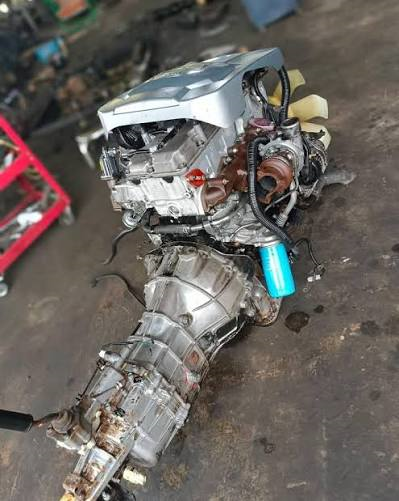
Nothing kills momentum on an engine swap like waiting six weeks for the engine to show up. Whether you’re a shop with a customer’s car up on stands or a fleet manager with a truck sitting idle, time is money in a way that goes way beyond the price tag on the engine itself. Fast engine delivery is one of the things we built our whole logistics process around, and this post walks through how we actually pull it off, what affects delivery time, and what you can do on your end to keep things moving.
Why Delivery Speed Matters More Than People Expect Going In
When you’re shopping for a used engine, it’s easy to focus entirely on price and specs and treat shipping time as an afterthought. That changes fast once the old engine is already pulled and the vehicle or equipment is sitting unproductive. A truck that isn’t moving isn’t earning. A shop bay tied up with a half-finished swap isn’t turning over other jobs. Fast engine delivery isn’t a nice-to-have add-on, it’s often the difference between a repair that pays for itself quickly and one that bleeds money the whole time you’re waiting.
We hear this constantly from fleet operators and independent shops alike: the engine itself could be perfect, but if it takes a month and a half to arrive, that’s a month and a half of downtime that has real financial weight attached to it, sometimes more than the engine cost in the first place.
What Actually Determines How Fast an Engine Ships
Delivery speed comes down to a handful of concrete factors, and understanding them helps set realistic expectations rather than guessing. Stock availability is the first one. An engine already sitting tested and crated in our warehouse ships far faster than one that needs to be sourced, pulled from a donor vehicle, tested, and packaged from scratch. This is part of why we keep a substantial inventory of commonly requested engines ready to go, things like the Toyota 2GR-FSE or BMW N20B20, rather than sourcing every order on demand.
Freight method is the second major factor. Air freight moves in days, sea freight moves in weeks, and the right choice depends on how urgent your timeline actually is and what you’re willing to pay for speed. We offer both, and we’re upfront about the real time difference between them rather than quoting an optimistic number and letting customers find out the hard way.
Destination and customs also play a real role. Some countries clear engine shipments quickly with minimal paperwork friction, others require more documentation and inspection time that’s genuinely outside our control once the crate leaves our dock. Fast engine delivery on our end means getting the engine tested, packaged, and shipped out the door as quickly as possible, but the last leg through customs depends partly on the destination country’s own processes.
How We Keep Warehouse-to-Dock Time Short
The engines that ship fastest are the ones that were ready before you ordered. Every engine in our regular stock, whether it’s a Mazda Skyactiv-G 2.5T or a heavier unit like a Caterpillar 3306, has already gone through compression testing, inspection, and crating before it’s listed as available. That front-loaded work is what makes fast engine delivery possible once an order actually comes in, because there’s no scrambling to test and package an engine after the fact.
Orders placed against in-stock inventory typically move to the freight carrier within a business day or two of payment clearing. That’s a very different timeline from sourcing an engine that isn’t currently sitting on our shelves, which is why we’re upfront with customers about which category their order falls into before they commit.
Air Freight vs. Sea Freight: The Real Tradeoffs
Air freight is the fastest option by a wide margin, typically getting an engine to most international destinations within a week of leaving our facility, sometimes faster depending on the route and customs processing on the receiving end. The tradeoff is cost. Engines are heavy, and air freight pricing scales with weight in a way that makes it a meaningfully more expensive option, especially for larger engines like V8s or industrial diesels.
Sea freight is considerably cheaper per unit of weight but takes weeks rather than days, and the exact timeline depends heavily on the shipping lane and current port congestion at both ends. For a lot of customers, sea freight makes financial sense when the timeline isn’t critical, and fast engine delivery via air makes sense when downtime costs more than the freight premium.
We’ll walk through both options honestly when you’re ordering, including realistic time estimates rather than best-case numbers, because a customer who knows what to expect plans better than one who gets surprised.
What You Can Do to Avoid Delays on Your End
A meaningful chunk of shipping delays come from things that happen after the engine leaves our warehouse, and a lot of that is within the customer’s control. Having accurate, complete shipping and contact information at the time of order avoids a common source of delay: freight carriers holding shipments because they can’t reach anyone to confirm delivery details. Having your import documentation and any required permits sorted out before the engine arrives at your border also matters, since customs holds are one of the most common causes of delivery times running longer than expected.
If you’re ordering on a tight timeline, telling us that upfront changes how we route the order. We can flag rush orders for priority handling and recommend air freight over sea freight if your situation calls for it, but only if we know the timeline matters before the order ships, not after.
Engines We Keep Ready for Fast Dispatch
We stock a rotating inventory of the most commonly requested engines specifically to support fast engine delivery on high-demand units. That currently includes performance and luxury engines like the BMW B58B30O1 and Maserati M156 3.0L V6, alongside heavy-duty commercial engines like the Toyota N04C. If speed matters more to you than finding the absolute lowest price on a sourced engine, ask specifically what’s currently in stock and ready to ship, since that’s the category where fast engine delivery timelines are most reliable.
Packaging That Doesn’t Slow Things Down
Speed doesn’t mean cutting corners on how an engine is packaged for transit. We use palletized steel-frame crating designed to protect the engine through handling, loading, and international transit without adding unnecessary time to the packaging process. Engines are secured, sensitive components protected, and documentation attached before the crate is sealed, all as a standard part of our process rather than a rushed afterthought that risks damage in transit. Fast engine delivery only matters if the engine arrives in the same condition it left in, so we don’t sacrifice packaging quality to shave a few hours off dispatch time.
Tracking and Communication During Transit
Once an engine ships, you get tracking information and a realistic estimated arrival window, not a vague promise. We stay reachable during transit if questions come up, and if a delay happens on the carrier or customs side, we’d rather tell you what’s actually going on than let you find out by watching a tracking number sit still for a week with no explanation. Fast engine delivery is as much about communication as it is about raw speed, since a customer who knows what’s happening plans around it, and a customer left in the dark just gets frustrated.
How Order Timing Affects Delivery Speed
Placing an order early in the week generally means it clears processing and gets to the freight carrier faster than an order placed right before a weekend, simply because of how carrier pickup schedules work in most regions. This isn’t something most customers think about, but if your timeline is tight, ordering on a Monday or Tuesday rather than a Friday can shave a real day or two off the total delivery window purely from carrier scheduling logistics.
Regional Delivery Realities
Fast engine delivery looks different depending on where you’re located, and it’s worth being honest about that rather than quoting one number for every destination. Shipments to major ports with efficient customs processing, large parts of Western Europe, the Gulf states, and established North American ports, tend to move through the system with minimal friction once the freight arrives. Destinations with less streamlined import processes or additional inspection requirements can add real time on top of the shipping transit itself, and that’s true regardless of which supplier you order from.
We’ve shipped engines to customers across dozens of countries at this point, and the honest pattern is that transit time and customs time are two separate clocks. We control the first one closely. The second one, we can advise on based on experience with that specific route, but we can’t override a country’s own customs procedures. Being upfront about this distinction is part of setting realistic expectations rather than promising a delivery date we can’t actually guarantee.
What Fast Actually Means for Different Engine Types
Smaller, lighter engines generally move faster through every stage of the process, simply because they’re easier to crate, cheaper to air freight, and less likely to hit weight-based restrictions on certain carriers. A compact engine like the Mitsubishi 4N15 ships more easily via air than a heavy industrial unit like a Caterpillar C18 marine engine, where the sheer weight often makes sea freight the only financially sensible option regardless of how urgent your timeline is.
This is worth knowing before you assume fast engine delivery is equally achievable across every product in our catalog. For large industrial and marine engines, we’ll be honest with you about realistic timelines rather than promising an air freight speed that isn’t practically achievable given the engine’s weight and size.
How We Handle Rush Requests
When a customer tells us upfront that they need an engine as fast as possible, whether that’s a shop with a customer waiting or a fleet operator losing money on downtime, we prioritize that order differently. That can mean pulling from stock rather than a special-order unit, defaulting to air freight even at a higher cost, and flagging the shipment for expedited handling with our freight partners. None of this works retroactively, though. If speed matters, telling us before the order ships, not after it’s already moving by sea freight, is what actually makes a difference.
What This Looks Like From a Customer’s Side
A fleet operator with a delivery truck down for repairs doesn’t care about the technical details of freight logistics, they care about how many days their truck is off the road. When we talk about fast engine delivery internally, that’s the perspective we’re actually optimizing for. An engine sourced, tested, crated, and shipped within a day or two of order confirmation, moving by air freight when the timeline is tight, means a truck that’s back generating revenue in a week or two rather than sitting idle for a month and a half waiting on a slower process.
The same logic applies at smaller scale for an independent shop with a customer’s car up on stands. Every day that car sits waiting on an engine is a day the shop can’t move on to the next job in the bay, and a day the customer is without their vehicle. Fast engine delivery isn’t an abstract selling point in that context, it’s a direct input into how quickly a shop can turn work around and keep customers happy.
Common Questions About Delivery Speed
How fast can an engine actually arrive if I need it urgently?
For in-stock engines shipped via air freight, delivery to most destinations typically falls within a week to ten days depending on customs processing at your end. Tell us upfront if your timeline is tight so we can flag it for priority handling.
Is fast engine delivery available for every engine you sell?
It’s fastest for engines already in stock and pre-tested. Sourced or special-order engines take longer since they need to go through testing and crating before shipping.
Does air freight guarantee faster customs clearance too?
No, air freight gets the engine to your country faster, but customs processing time depends on your destination country’s own procedures, which is outside our direct control.
Can I pay extra to rush an order that isn’t currently in stock?
In some cases, yes, depending on the engine and current sourcing situation. Contact us with specifics and we’ll tell you honestly whether rushing is realistic for that particular unit.
What’s the biggest cause of delivery delays you see?
Customs holds from incomplete import paperwork on the receiving end, which is why we recommend having your documentation ready before the engine ships.
Ready to Order With Speed in Mind
If your timeline is tight, tell us when you order and we’ll walk you through which of our in-stock engines can move fastest and what freight option makes sense for your situation. Browse our current ready-to-ship engine inventory, or contact us directly to confirm realistic delivery timing before you commit to an order.
Posts Widget




Best Auto Motors
USA HERALD MAGAZINE INC
Buy the best quality engines from our website online and get a fast delivery within 6 days.
Copyright 2022.KlbTheme . All rights reserved
