


Used ATV and UTV Engines for Sale: Tested, Warrantied & Shipped Worldwide
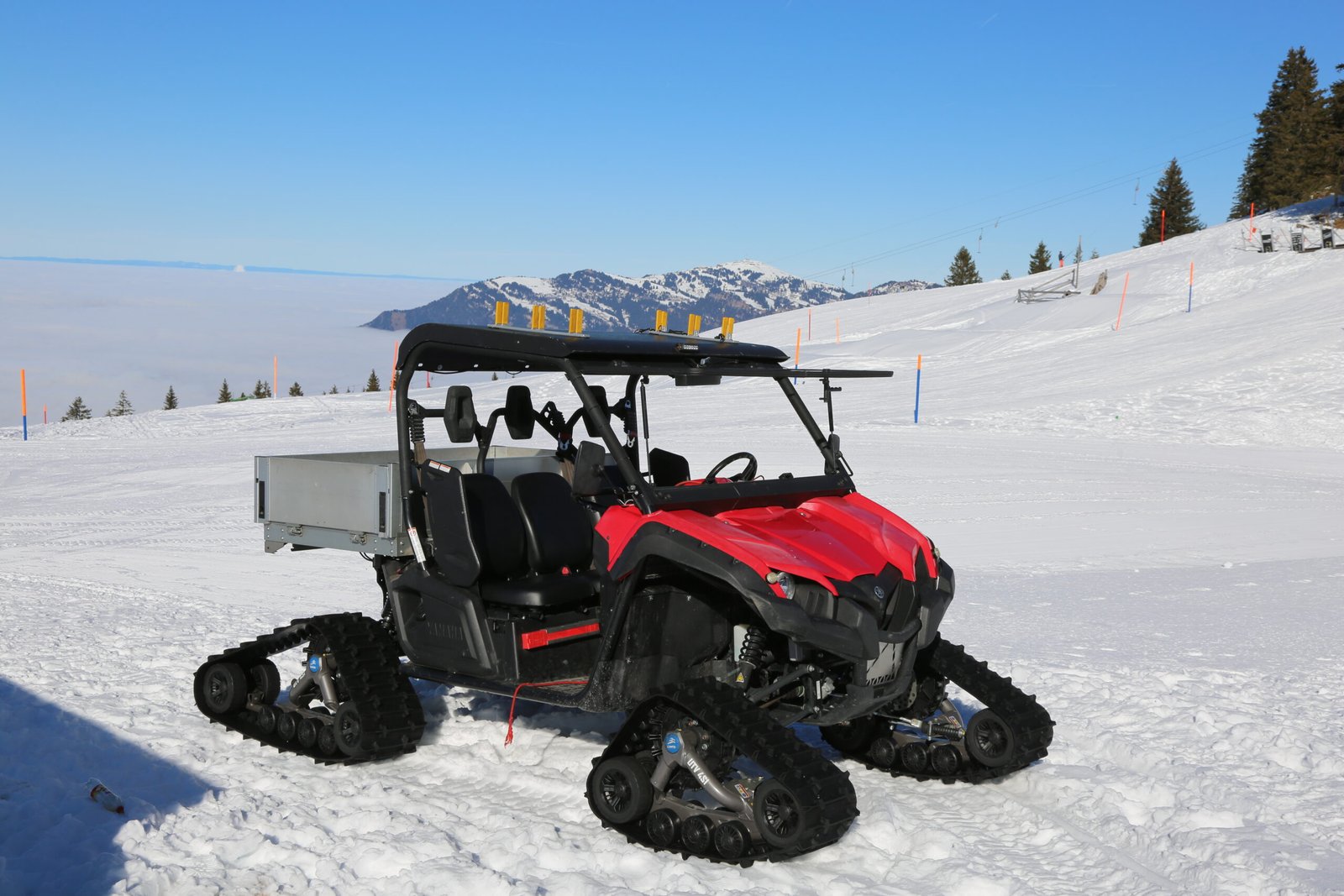
A quad that won’t fire after a hard season on the trail, or a side-by-side with a rod knock from being run low on oil during a work day on the ranch, usually ends up in the same place: someone searching for used ATV and UTV engines for sale instead of paying dealer prices for a new powerplant on a machine that’s otherwise in solid shape. We test and ship off-road engines regularly, and this guide covers what’s actually available, what the specs mean, and what to check before you buy one.
ATV and UTV engines take a harder beating than almost any other category we sell. These machines get run through mud, dust, water crossings, and hard load-bearing work, and the used market reflects that: a lot of engines that come through our shop have real wear, but plenty are also perfectly serviceable units pulled from machines totaled for frame or suspension damage that had nothing to do with the engine itself.
What Counts as a Used ATV or UTV Engine
- Complete engine assembly — block, head, CVT or transmission input components where applicable, and typically the wiring harness and ECU on fuel-injected models. The closest thing to a drop-in replacement.
- Long block — bottom end and head assembled, without carburetor or throttle body, intake, and often without the starter or charging components.
- Short block — bare bottom end only, used mostly by shops and experienced owners doing their own top-end work.
Most owners replacing a blown engine want the complete assembly, since ATV and UTV engines are tightly integrated with the machine’s CVT clutch system and wiring in ways that make partial swaps more finicky than they’d be on a car.
Engine Types We See the Most Demand For
Utility ATVs (Honda Foreman/Rancher, Polaris Sportsman, Yamaha Grizzly/Kodiak) mostly run single-cylinder or parallel-twin four-stroke engines built for low-end torque and durability over outright speed. Sport ATVs and side-by-sides built for performance (Yamaha Raptor, Polaris RZR, Can-Am Maverick) lean toward higher-revving singles, twins, or in some cases turbocharged twins. Utility side-by-sides (Polaris Ranger, Can-Am Defender, Kawasaki Mule) prioritize low-RPM torque and reliability for work applications like hauling and towing over technical trail speed.
| Machine Type | Typical Displacement | Common Power Range | Typical Used Price |
|---|---|---|---|
| Utility ATV (single/twin) | 400–850cc | 25–80 hp | $800 – $2,200 |
| Sport ATV | 250–700cc | 20–70 hp | $700 – $1,800 |
| Utility side-by-side (Ranger, Mule, Defender class) | 570–1000cc | 40–80 hp | $1,500 – $3,500 |
| Sport/performance side-by-side (RZR, Maverick class) | 900–1000cc turbo | 100–200 hp | $2,500 – $6,500 |
Turbocharged sport side-by-side engines carry the highest price tag by a wide margin, both because they’re more complex units and because demand from the performance UTV crowd stays strong even for higher-mileage examples.
Platform Notes: What We See Most Often
Honda Foreman and Rancher: These utility ATVs run simple, durable single-cylinder engines that hold up well under working conditions. The most common issue we see is valve wear from extended hours without adjustment, since Honda’s utility engines use a mechanical valve adjustment schedule that’s easy to overlook on a machine used for daily chores rather than recreation.
Polaris Sportsman and Ranger: Polaris utility engines see heavy demand in our inventory given how widely these machines are used for both work and recreation. Ranger engines specifically get put through sustained towing and hauling duty, and we pay close attention to oil condition and cooling system health during inspection given that use pattern.
Yamaha Grizzly, Kodiak, and Raptor: Yamaha’s utility engines have a strong reputation for longevity, and used units often carry surprisingly high hour counts while still testing well on compression. Raptor sport ATV engines see harder use and higher RPM operation, so we check valvetrain wear more closely on these.
Polaris RZR and Can-Am Maverick (turbocharged models): The performance side-by-side segment runs the hardest of any category we source engines for, and turbo units in particular see wide variation in condition depending on how the machine was actually driven. A well-maintained turbo RZR or Maverick engine can still be an excellent buy, but we’re more thorough with compression and turbo function testing on these given the performance-oriented ownership base.
Kawasaki Mule and Can-Am Defender: Pure utility side-by-sides built for low-RPM torque and work reliability rather than speed. These engines tend to be simpler and more mechanically forgiving than the performance-oriented models, which shows in generally strong test results even at higher hours.
Why ATV and UTV Engines Actually Fail
Water and mud ingestion. These machines are built to handle water crossings and mud, but a deep enough dunk or a cracked intake boot can pull water into the cylinder, causing hydrolock or accelerated internal corrosion that shows up as a rough-running or seized engine down the line.
Overheating from clogged radiators. Trail riding packs mud and debris into small radiators fast, and a machine that overheats repeatedly will eventually show head gasket failure or a warped head, especially on liquid-cooled sport models pushed hard on technical terrain.
Belt and CVT-related engine stress. A worn or improperly tensioned CVT belt can put abnormal load on the engine and clutch components, and neglected belt maintenance is a common contributor to premature engine wear on both ATVs and UTVs.
Extended hard use under load. Utility machines towing, hauling, or plowing for hours at a time see more sustained load than most owners realize, and skipped oil changes under that kind of use accelerate wear on rings and bearings faster than casual trail riding would.
What “Tested” Means for an ATV/UTV Engine
- Compression testing on every cylinder, compared against factory specification for that engine family.
- Visual inspection of the case for cracks, weld repairs, or impact damage, common on machines that have rolled or hit obstacles hard.
- Oil condition check for water contamination, metal content, or signs of overheating-related breakdown.
- Spin test or run test where setup allows, to confirm the engine isn’t seized and doesn’t show an obvious internal knock.
- Mileage or hour verification pulled from the donor machine’s gauge cluster or ECU where equipped.
None of this guarantees indefinite service life on a machine that’s going to get run hard again, but it’s the difference between a documented engine and an unknown one pulled from a machine you never got to inspect yourself.
What to Check Before You Buy
- Was the donor machine a water/mud incident or a mechanical failure? Water intrusion history matters more here than in almost any other used-engine category.
- Does it include the CVT clutch components and wiring harness? On fuel-injected models, mismatched ECU and harness combinations can cause hard-to-diagnose running issues.
- What’s the actual mileage or hour count, and how was it verified? Ask for the source rather than taking a number at face value.
- Is it compatible with your exact model year and trim? Manufacturers frequently update engine internals mid-generation without changing the model name, so confirm the specific engine code.
- What’s the warranty, and what triggers a valid claim? A 30 to 60-day mechanical warranty is standard from a legitimate seller.
Buying From Us: How It Works
We keep tested inventory across utility, sport, and side-by-side platforms, sourced from insurance salvage, dealer trade-ins, and running takedowns from machines retired for frame or suspension damage unrelated to the engine. Every listing includes compression numbers, recorded mileage or hours, and photos of the actual unit rather than a stock catalog image. If your specific engine code isn’t currently listed, tell us the make, model, year, and displacement and we’ll check our supplier network, since inventory turns over quickly in this category.
For dealers, repair shops, and rental fleet operators buying in volume, we can also quote pricing across multiple units and coordinate shipping to reduce per-engine freight costs. This comes up often with rental and outfitting operations that run a mixed fleet of utility ATVs and need to keep several machines road-ready at once rather than sourcing engines one at a time as failures happen.
Used vs. Rebuilt vs. New ATV/UTV Engines
A new crate engine, when your dealer can even source one, typically costs multiple times what a tested used unit runs, and that’s before installation labor. A professional rebuild on your existing cases makes sense if they’re not cracked and you want full control over exactly what gets replaced, but between machine shop work, gaskets, and bearings it often lands close to or above the cost of a comparable tested used engine. For most owners getting a work machine or trail rig back in service, a tested used engine is the fastest, most cost-effective path forward. Our engine replacement cost guide breaks down these options in more detail across engine types generally.
Shipping ATV and UTV Engines Worldwide
These engines are compact and relatively light compared to car or truck engines, which keeps freight costs reasonable even for international orders. We crate every unit to protect the case, cylinder studs, and any exposed sensors during transit, and we handle export documentation for buyers outside the United States. Most domestic orders move by ground freight or parcel carrier depending on weight, and international orders typically clear customs within one to three weeks depending on destination and local import procedures. See our worldwide engine shipping guide for more detail on how international freight and customs actually work for engine-sized cargo.
Regional Notes for International Buyers
Demand for used ATV and UTV engines runs strong in agricultural and rural regions worldwide where these machines serve as working vehicles rather than recreational toys, as well as in markets where new-machine pricing and import duties make a full replacement impractical. If you’re importing an engine for a machine used in farming or ranching operations, confirm your country’s import classification for used small-engine parts, since requirements can differ from those covering full-size vehicle engines.
Installation Notes
Swapping an ATV or UTV engine is generally more approachable than a car swap given the smaller size and more accessible mounting points, but the CVT clutch alignment and belt tensioning need careful attention on models that use that drivetrain, since a misaligned clutch can cause premature belt wear or poor power delivery even with a perfectly good engine installed. Budget for new gaskets at every mating surface you break loose, a fresh drive belt if you’re not certain of its condition, and a full fluid change including oil, coolant on liquid-cooled models, and any final drive or differential fluid affected by the swap. We recommend a post-installation compression check and a careful test run before putting the machine back into regular trail or work use.
It’s also worth inspecting the CVT belt itself during any engine swap, even if it looks serviceable. A belt that’s been run past its useful life can glaze or crack in ways that aren’t obvious on a quick visual check, and installing a fresh belt alongside a freshly installed engine is cheap insurance against a comeback repair a few weeks later. The same goes for drive belt tensioning on models where that’s an adjustable spec, since incorrect tension is one of the more common causes of premature clutch and belt wear that gets mistakenly blamed on the engine itself.
What Actually Moves the Price
Beyond displacement and platform popularity, a handful of factors shift the price of a used ATV or UTV engine. Recorded mileage or hours matter, but documented cause of donor machine retirement matters just as much, an engine pulled from a machine totaled in a rollover with no water intrusion is generally worth more confidence than one with an unclear history. Whether the CVT clutch, wiring harness, and ECU are included changes the price meaningfully, since these components can be time-consuming to source and match individually. Turbocharged performance side-by-side engines command a real premium over naturally aspirated utility engines, driven by strong demand from the performance UTV market. And as always, a tested, documented unit costs more than an untested one, because the testing is what actually reduces the risk you’re taking on.
Identifying the Correct Engine for Your Machine
One of the most common mistakes we see is a buyer ordering based on model name and year alone, then discovering the engine casting or ECU calibration changed partway through that generation. Manufacturers frequently update internals, compression ratios, fuel injection mapping, without changing the model name or giving any obvious external signal. Before you order, pull the engine serial number, usually stamped on a boss near the crankcase or on the cylinder itself, and cross-reference it against your machine’s VIN. We ask for this on every order specifically to avoid a mismatch that only becomes apparent after installation has already started.
If you’re not confident locating or reading your engine’s serial number, send us clear photos of the case markings along with your machine’s VIN, and we’ll confirm the match before anything ships.
Water Intrusion: Why It Matters More Here Than Almost Anywhere Else
Water crossings are part of normal use for a lot of ATVs and UTVs, but a machine that’s been fully submerged or run through water deep enough to reach the air intake carries real risk of hydrolock damage, bent rods, cracked pistons, that isn’t always obvious from the outside. When we evaluate a donor machine, we specifically ask about water incident history and check oil condition closely for the milky appearance that indicates water contamination. If you’re buying from any seller, ask directly whether the donor machine had a water-related incident, and be skeptical of a seller who doesn’t know or won’t say. This single question probably prevents more bad purchases in this category than any other single check.
Frequently Asked Questions
Will a used ATV or UTV engine come with a warranty?
Yes, our tested units include a 30 to 60-day warranty against internal mechanical failure, depending on the specific engine and mileage. Details are listed on each product page.
Can I get an engine without the CVT clutch and wiring harness?
Yes, if you only need the long block or short block, we can quote it without those components. Just confirm compatibility with your existing clutch and harness before ordering.
How do I know the engine will fit my exact machine?
Send us your make, model, year, and VIN if available, and we’ll match it against the specific engine code before you buy, since internals can change mid-generation without a model name change.
Do you ship used ATV and UTV engines internationally?
Yes, to most countries with standard import procedures for used mechanical parts. Reach out with your destination and we’ll confirm freight cost and expected transit time before you order.
Is a higher-hour utility engine still a good buy?
Often, yes. A well-maintained utility engine with documented oil changes and no water intrusion history can be a safer buy than a lower-hour engine with an unknown past. We evaluate condition through testing rather than relying on the hour count alone.
What’s the difference between a long block and a complete assembly?
A complete assembly includes the CVT clutch components, wiring harness, and typically the ECU on fuel-injected models, ready to mount with minimal additional parts needed. A long block is just the bottom end and head, meaning you’ll reuse your existing clutch and electronics.
What if the engine I need isn’t currently listed?
Tell us the exact make, model, year, and engine code and we’ll check our supplier network. ATV and UTV engine inventory turns over quickly, and we can often source a specific unit within a few business days.
If you’re also sourcing parts for a broader repair, our engine repair parts guide and guide to finding used engines online cover related components and general buying advice that applies across engine categories.
Ready to get your quad or side-by-side back on the trail? Send us your make, model, and engine code and we’ll confirm fit, mileage, and price before you order.
Posts Widget




Best Auto Motors
USA HERALD MAGAZINE INC
Buy the best quality engines from our website online and get a fast delivery within 6 days.
Copyright 2022.KlbTheme . All rights reserved
