


Used Engines for Mazda CX5: Skyactiv-G Buying Guide
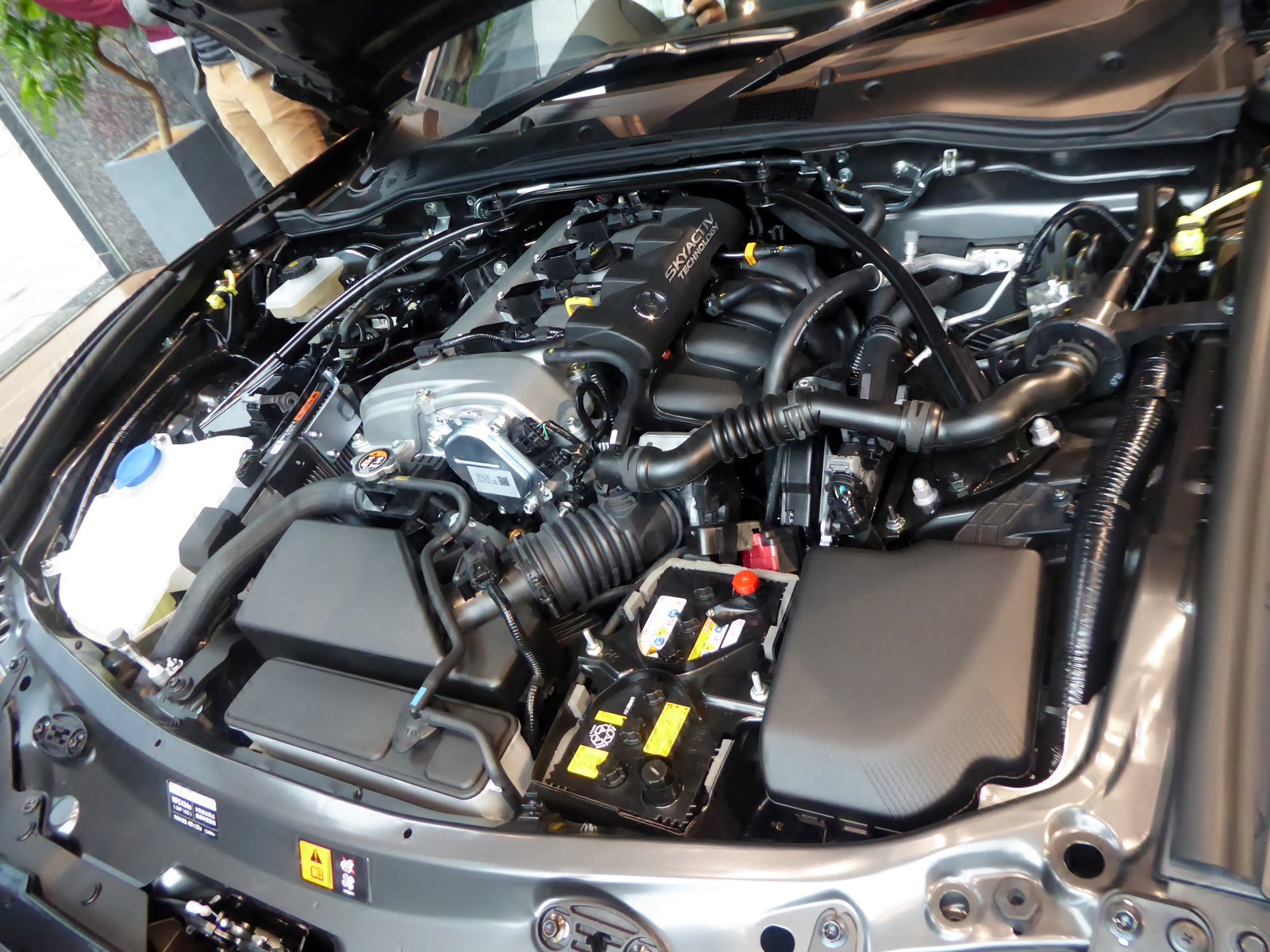
Mazda’s Skyactiv engines get a lot of praise for being simple and reliable compared to a lot of the turbocharged, direct-injection competition, and for the most part that reputation holds up. But “reliable” doesn’t mean “immortal,” and when a CX-5’s engine finally gives out, usually well past 150,000 miles if it’s been maintained, the dealer quote for a replacement still stings enough that most owners start looking elsewhere. That’s the search that brings people here, looking for used engines for Mazda CX5 models instead of paying full retail for something the car’s remaining value doesn’t really justify.
We source, test, and ship used CX-5 engines to buyers everywhere, not just locally, and this is the real version of what we’d tell you on the phone – which Skyactiv engine you actually have, what tends to go wrong with it, fair pricing, and what to check before buying from anyone, us included.
Which Engine Your CX-5 Actually Has
The CX-5’s engine lineup is simpler than most competitors, which helps, but there are still real differences between trims and generations that matter when you’re shopping for used engines for Mazda CX5 models.
| Engine | Displacement | Approx. Power | Generation / Trim |
|---|---|---|---|
| Skyactiv-G 2.0L (PE-VPS) | 2.0L I4 | 155-165 hp | KE (2013-2016), base trims |
| Skyactiv-G 2.5L (PY-VPS) | 2.5L I4 | 184-191 hp | KE/KF, 2014-present, most trims |
| Skyactiv-G 2.5T (turbo) | 2.5L I4 turbo | 227-256 hp | KF, 2019-present, Signature/Grand Touring Reserve |
| Skyactiv-D 2.2L diesel | 2.2L I4 turbo-diesel | 173-190 hp | Export markets, KE/KF |
The naming is more consistent than most brands, which helps, but the 2.5L non-turbo and 2.5T turbo share a displacement while being meaningfully different internally – different pistons, different compression ratio, a turbocharger and intercooler system the non-turbo doesn’t have at all. When you’re sourcing used engines for Mazda CX5 applications, confirming turbo versus non-turbo matters as much as confirming displacement.
How Generation Affects What You’re Actually Buying
The first-generation CX-5 (KE, 2013-2016) launched with the Skyactiv-G 2.0L as the base engine and the 2.5L as the upgrade, both non-turbo. The mid-cycle refresh brought minor tweaks but kept the same core engines. The second generation (KF, 2017-present) carried the 2.5L forward as the standard engine across most trims and introduced the 2.5T turbo starting around 2019 for the higher Signature and Grand Touring Reserve trims. This means most used engines for Mazda CX5 shoppers are choosing between essentially two engine families – the well-established naturally aspirated Skyactiv-G, and the newer turbocharged variant – rather than navigating the kind of sprawling multi-generation engine family you see on some competing brands. That relative simplicity is one of the reasons sourcing the right replacement tends to be more straightforward for CX-5 owners than for a lot of other makes, as long as you confirm turbo versus non-turbo up front.
Where CX-5 Engines Actually Fail
The Skyactiv-G 2.0L and 2.5L non-turbo engines have a genuinely good reliability reputation, and in our experience that holds up – these aren’t engines that generate the same volume of complaints as a lot of direct-injection turbo competitors. When they do fail, it’s usually more about neglected maintenance than a design flaw: skipped oil changes leading to sludge buildup, or a timing chain that’s gone well past its service interval without inspection. Carbon buildup on intake valves still happens since these are direct-injection engines, but it tends to develop more slowly and cause less dramatic symptoms than on some competing platforms.
The Skyactiv-G 2.5T turbo, which arrived later in the CX-5’s lifecycle, is still building a longer-term reliability record, but the more commonly reported issue is carbon buildup requiring earlier intervention than the non-turbo engine, along with occasional turbocharger wastegate rattle that Mazda addressed with updated hardware on some model years. It’s not an engine with a bad reputation, just a newer one with less accumulated mileage data across the fleet.
The Skyactiv-D diesel, sold mostly outside North America, is solid mechanically but shares the usual diesel sensitivities – EGR fouling and DPF clogging in city-only driving being the most common complaints, similar to nearly every modern turbo-diesel on the market.
Signs Yours Might Be Failing
Because Skyactiv engines are generally well-regarded, most CX-5 owners searching for used engines for Mazda CX5 replacements are dealing with something more specific than a vague reliability complaint – a rod knock after a missed oil change interval, overheating damage from a neglected cooling system, or physical damage from something like driving through deep water. A ticking noise from the top of the engine that gets louder with RPM often points to valve train wear from stretched oil change intervals rather than an inherent design issue. On the turbo engine specifically, a whistling or rattling noise under boost that wasn’t there before is worth having checked before it turns into something requiring a full replacement rather than just a turbo repair.
What a Replacement Actually Costs
A new engine through a Mazda dealer for a CX-5 runs roughly $5,000-$7,500 depending on which engine, before labor. A professional independent rebuild lands around $3,000-$4,500. Used engines for Mazda CX5 buyers typically pay $1,000-$2,400 for the engine itself, with the 2.5T turbo commanding a bit more due to lower supply and higher demand relative to the non-turbo units.
Given that a lot of CX-5s on the used market sit in the $8,000-$16,000 range, a brand-new dealer engine rarely makes financial sense for most owners. A tested used engine with documented mileage and a real warranty typically covers the remaining useful life of the vehicle for a fraction of what the dealer quotes.
What We Check Before a CX-5 Engine Ships
- Compression test on all cylinders – flags ring or valve issues before you ever see the engine.
- Timing chain inspection – stretched chains are usually a sign of skipped maintenance rather than a design flaw, but it still needs checking.
- Turbocharger inspection on 2.5T units – wastegate play and shaft play get checked specifically.
- VIN cross-reference against the donor vehicle – confirms the exact engine code, not a guess from displacement.
- Visual inspection through the valve cover and oil fill – sludge or metal shavings are disqualifying.
Anyone selling used engines for Mazda CX5 models should be willing to answer these questions directly rather than just pointing you at a stock photo and a price. If they can’t tell you compression numbers or turbo condition on a 2.5T, that’s worth pausing over.
A Real Example
A customer with a 2017 CX-5 Grand Touring, Skyactiv-G 2.5L, came to us after a coolant leak went unnoticed long enough to cause overheating damage at 118,000 miles – a dealer quote for a new engine and labor topped $8,200. We sourced a used 2.5L Skyactiv-G from a donor CX-5 with 71,000 miles, verified compression across all four cylinders, and shipped it with the intake manifold and wiring harness attached for right around $1,800 including freight. His independent shop had it installed in about nine hours. That’s a fairly typical outcome for owners going this route instead of paying full dealer pricing on a car that still has plenty of life left in it.
Installation Notes
Same-generation swaps are generally straightforward – a 2.5L Skyactiv-G from one CX-5 bolts into another with the same code without much drama. Swapping a 2.5T turbo engine in where a non-turbo came out is a much bigger project – different wiring harness, different ECU calibration, intercooler plumbing that doesn’t exist on the non-turbo car, and fuel system differences that add up to significantly more labor and cost than most shops will quote as a simple bolt-in.
Give your mechanic the specific engine code, not just “the CX-5 engine.” If you bought used engines for Mazda CX5 applications from a seller who confirmed the code against your VIN, this part is already handled. Labor for a same-engine swap typically runs 7-13 hours depending on whether the engine arrives complete with accessories or as a bare long block needing parts transferred.
Oil and Maintenance Habits That Actually Matter
Mazda specifies 0W-20 synthetic oil for most Skyactiv-G applications, with some markets and model years calling for 5W-30 depending on climate. Sticking to a 5,000-7,500 mile interval matters here just like on any other engine, and it’s worth noting that a lot of the “Skyactiv engines are bulletproof” reputation is really a story about owners who kept up with basic maintenance – the engines that end up needing early replacement are disproportionately ones that had oil changes stretched well past factory intervals. A used engine dropped into a car that goes right back to neglected maintenance won’t outlast the one it replaced by much, regardless of how good the underlying design is.
Things Buyers Forget to Ask About
Accessories are the detail that trips up buyers after the sale. Some used engines for Mazda CX5 listings include the intake manifold, alternator, and wiring harness; others are a bare long block. If your existing accessories are in good shape, a long block saves real money. If the original failure damaged surrounding components, paying more for a complete unit avoids the hassle of sourcing mismatched used parts from a separate donor vehicle later.
Confirm the return policy before paying, specifically what happens if the engine arrives with shipping damage, and get that in writing. Photograph the engine before it’s crated and again once uncrated – it protects both sides if a dispute ever comes up.
Worldwide Shipping
We ship CX-5 engines internationally as a normal part of business, with proper crating and customs documentation prepared up front rather than figured out after you’ve already paid. If you’re outside the shipping country, ask for the full landed cost – engine, crating, and freight together – before committing, so there’s no surprise fee waiting at customs.
Warranty Terms Worth Insisting On
A 90-day warranty should be the baseline for any used engine purchase, with longer terms available on more thoroughly tested units. Get the terms in writing before paying, and confirm exactly what’s covered – internal component failure is typically standard, but gaskets, sensors, and labor costs are handled differently seller to seller, so ask directly rather than assume.
Frequently Asked Questions
How much do used engines for Mazda CX5 models cost?
Typically $1,000 to $2,400 for the engine itself depending on displacement, turbo versus non-turbo, and mileage, not including shipping or installation labor.
Can a 2.5T turbo engine replace a non-turbo 2.5L?
Not as a simple swap. Different wiring harness, ECU calibration, and intercooler plumbing make it a much bigger project than matching within the same engine type.
Are Skyactiv engines actually as reliable as people say?
Generally yes, especially the non-turbo 2.0L and 2.5L. Most premature failures we see trace back to skipped maintenance rather than an inherent design flaw.
Does the engine come with a warranty?
Any reputable seller of used engines for Mazda CX5 vehicles should offer at least a 90-day written warranty, with longer options typically available on tested units.
What’s Currently In Stock
CX-5-compatible engines move through our broader used engines category. We currently carry the Mazda Skyactiv-G 2.0L engine, the Skyactiv-G 2.5L engine, and the Skyactiv-G 2.5T turbo engine, all directly compatible with the CX-5 depending on your trim. Check those listings directly for current mileage and pricing since stock changes as engines come in and ship out.
Bottom Line
Buying used engines for Mazda CX5 models comes down to confirming your exact engine code, understanding that most failures trace back to maintenance rather than design flaws, and buying from a seller who tests before listing rather than after you complain. We verify compression, inspect timing chains and turbos, and match VINs against donor vehicles before anything ships, and we send engines worldwide with proper freight documentation. Send us your VIN or engine code and we’ll tell you what’s available and what it costs delivered.
Related reading: our guides on used engines for Kia Sorento, used engines for Subaru Outback, used Toyota engines, used engines for Honda Accord, and buying a tested used engine without the guesswork cover similar ground if you’re comparing options across other makes.
For deeper technical background on this engine family, Wikipedia’s overview of Mazda’s Skyactiv technology is a solid reference, and the NHTSA website is worth checking for any open recalls tied to your specific model year before you buy or install anything.
Posts Widget




Best Auto Motors
USA HERALD MAGAZINE INC
Buy the best quality engines from our website online and get a fast delivery within 6 days.
Copyright 2022.KlbTheme . All rights reserved
