


Used Engines for Volkswagen Golf: EA888 & VR6 Buying Guide
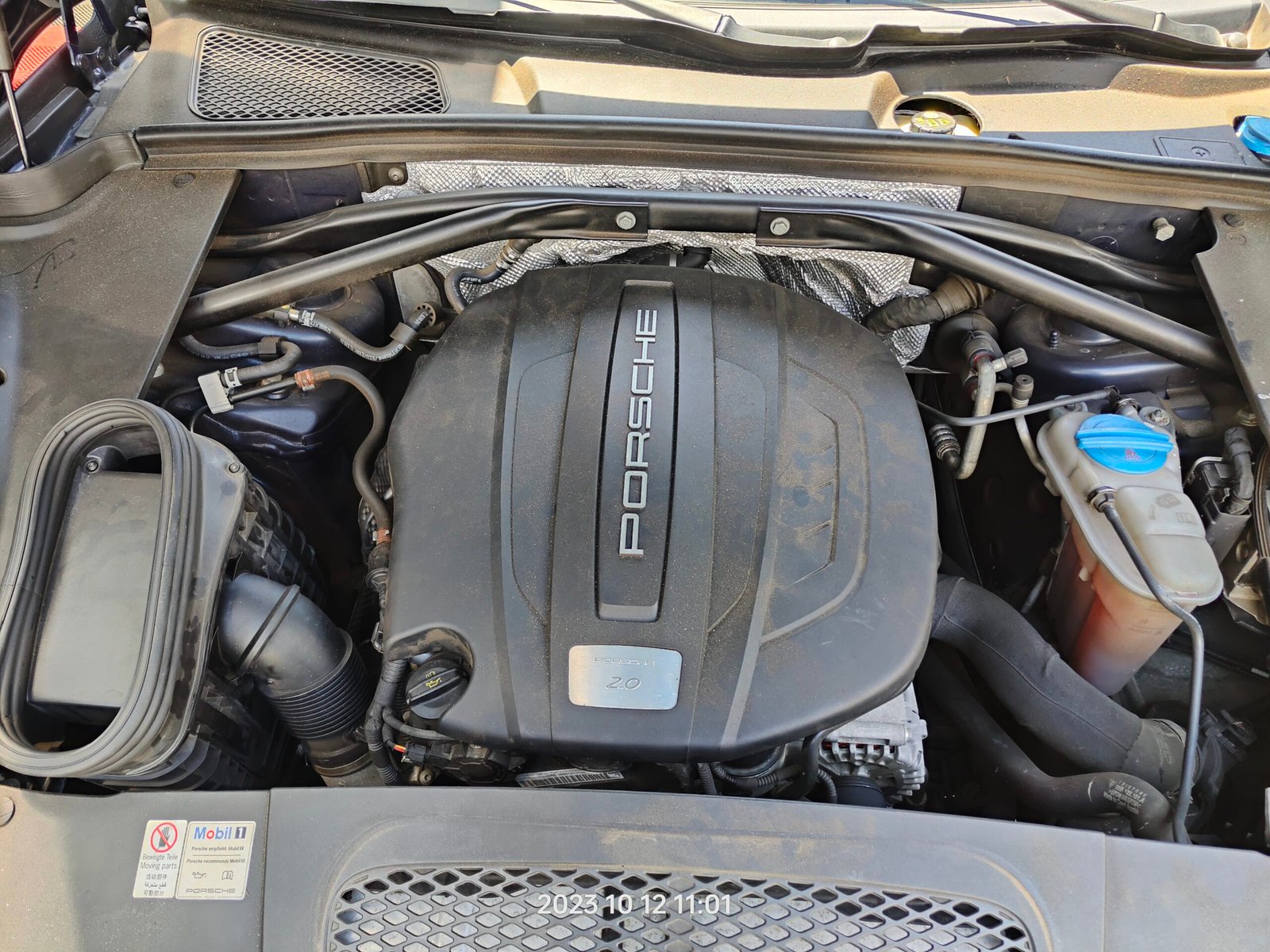
The Golf is one of those cars people hold onto longer than most, partly because it’s genuinely fun to drive and partly because a well-kept GTI or base Golf just doesn’t feel old the way some economy cars do at 120,000 miles. So when the engine starts knocking, or the oil consumption gets weird, most owners aren’t ready to give up on the car – they just want it running again without paying dealer prices. That’s the search that usually lands people here, looking for used engines for Volkswagen Golf models instead of a trade-in they didn’t want to make.
We source, test, and ship used Golf engines to buyers everywhere, not just locally, and this guide is the real version of the conversation – which engine you actually have, what tends to fail on it, fair pricing, and what to check before handing money to anyone, us included.
Which Engine Your Golf Actually Has
The Golf name has covered a genuinely wide spread of engines depending on trim, market, and generation – naturally aspirated fours, the EA888 turbo family in multiple generations, diesels in most markets outside North America, and the narrow-angle VR6 in higher trims for a while. Reading the trim badge alone doesn’t tell you enough when you’re shopping for used engines for Volkswagen Golf applications.
| Engine | Displacement | Approx. Power | Generation / Notes |
|---|---|---|---|
| 2.0L / 2.5L naturally aspirated I4/I5 | 2.0L-2.5L | 115-170 hp | Base trims, Mk4-Mk6 |
| EA888 Gen 1 TSI/TFSI (BPY) | 2.0L turbo I4 | 197-200 hp | Mk5 GTI, 2006-2009 |
| EA888 Gen 2 (CCTA) | 2.0L turbo I4 | 200-210 hp | Mk6 GTI, 2010-2014 |
| EA888 Gen 3 (CXCA) | 2.0L turbo I4 | 210-292 hp | Mk7/Mk7.5 GTI and R, 2015-2021 |
| EA888 evo4 / Gen 3B (DKTB) | 2.0L turbo I4 | 241-315 hp | Mk8 GTI and R, 2022-present |
| 1.8T EA888 | 1.8L turbo I4 | 170 hp | Jetta/Golf base trims, some years |
| VR6 (narrow-angle V6) | 2.8L-3.6L V6 | 174-280 hp | GLX/R32 trims, various generations |
The GTI and R trims are where most of the calls come from, and they’re also where matching the exact engine code matters most – a Gen 2 EA888 out of a Mk6 GTI is not interchangeable with the Gen 3 unit in a Mk7 without adapting mounts, wiring, and in some cases the turbo hardware itself. If you’re sourcing used engines for Volkswagen Golf performance trims, engine code and generation beat model year every time.
How Generation Shapes What Actually Fits
The Mk5 Golf (2006-2009) is where the EA888 Gen 1 first showed up in GTI trim, alongside naturally aspirated base engines. The Mk6 (2010-2014) moved to Gen 2 EA888 in the GTI, refining the turbo mapping and fuel system somewhat. The Mk7 and Mk7.5 (2015-2021) introduced Gen 3, a meaningfully stronger aluminum-block design shared with the Golf R at a higher output tune. The current Mk8 (2022-present) runs the evo4/Gen 3B engine with a substantially redesigned high-pressure injection system. This matters for anyone shopping used engines for Volkswagen Golf models because a “GTI engine” spans four genuinely different platforms depending on which Mk generation it came out of, and the ECU tuning, wiring harness pinout, and even turbocharger hardware differ enough between them that treating them as interchangeable is the fastest way to end up with a parts-fitment headache.
Where Golf Engines Actually Fail
The EA888 Gen 1, found in early Mk5 GTIs, is the one with the roughest reputation, largely inherited from the same-era Audi applications sharing the platform. Timing chain tensioner failure tops the list – when it goes, the chain can skip time and bend valves, which is an expensive way to find out your maintenance schedule was too loose. Excessive oil consumption from worn piston rings is the other big one, common enough that Volkswagen extended warranty coverage in some regions for affected model years.
Gen 2, in the Mk6 GTI, cleaned up some of these problems but kept direct injection’s carbon buildup tendency on the intake valves, which shows up as rough idle and hesitation typically in the 60,000-100,000 mile range without regular walnut-blast cleaning. Gen 3, standard in the Mk7 and Mk7.5, moved to an aluminum block and better turbo mapping, meaningfully improving reliability, though it’s still not immune to carbon buildup or the occasional water pump and thermostat housing failure that shows up as unexplained coolant loss.
The current evo4 (Gen 3B) engine in the Mk8 is young enough that we don’t have long-term data yet, but early reports point to a more sophisticated fuel injection system running at much higher pressure than earlier generations, which should help with carbon buildup over time – though it’s too soon to say definitively. The VR6, when it shows up in higher trims, is a mechanically different animal entirely and generally more durable than the four-cylinder turbo engines, with the main complaints being coil pack failures and, on some model years, water pump issues rather than anything internal.
Signs Yours Might Be Failing
A rattle on cold startup that fades within a few seconds is the classic early warning for timing chain tensioner wear on the Gen 1 and Gen 2 EA888 – a lot of owners write it off as normal turbo chatter until it isn’t. Misfires that come and go under load, especially without an obvious cause, often point to carbon-fouled intake valves rather than something more serious, though it’s worth confirming with a compression or leak-down test before assuming. Oil dropping between changes without a visible leak is common enough across EA888 generations that it’s one of the first things we ask about before quoting a used engines for Volkswagen Golf replacement. On the VR6, a rough idle paired with a misfire code on one specific cylinder tends to point toward a failing coil pack rather than the engine itself, worth ruling out first since it’s a much cheaper fix.
What a Replacement Actually Costs
A new engine through a VW dealer for a Golf can run $6,000-$10,000 depending on the engine and trim, before labor. A professional independent rebuild lands around $3,500-$5,500. Used engines for Volkswagen Golf buyers typically pay $1,200-$3,200 for the engine itself, with GTI and R engines commanding more due to demand and lower supply, and base naturally aspirated engines on the lower end of that range.
Given that plenty of Golfs on the used market sit in the $7,000-$16,000 range, a brand-new dealer engine rarely makes financial sense unless the car has real sentimental value or you’re planning to keep it a long time. A tested used engine with documented mileage and a real warranty typically covers the rest of the car’s useful life for a fraction of dealer pricing.
What We Check Before a Golf Engine Ships
- Compression test on all cylinders – flags ring or valve wear before it becomes your problem.
- Timing chain and tensioner inspection – especially important on Gen 1/Gen 2 EA888 units.
- Oil consumption history where available – a documented issue across multiple EA888 generations.
- VIN cross-reference against the donor vehicle – confirms exact engine code, not a guess from trim or displacement.
- Visual inspection through the valve cover and oil fill – carbon buildup or sludge gets flagged before it ships.
Anyone selling used engines for Volkswagen Golf models should be able to answer questions about timing chain condition and compression readings directly. If they can’t, or won’t, that’s worth treating as a warning sign before you pay.
A Real Example
A customer with a 2016 Golf GTI, Gen 3 EA888, came to us after a rod bearing failure at 89,000 miles that a dealer quoted at just under $9,800 for a new engine and labor. We sourced a used Gen 3 EA888 from a donor GTI with 61,000 miles, verified compression across all four cylinders and timing chain condition, and shipped it complete with the turbocharger, intake manifold, and wiring harness for around $2,700 including freight. His independent shop had it installed in roughly eleven hours. That’s a fairly typical outcome for buyers who go this route rather than paying full dealer pricing on a car that’s still genuinely worth keeping.
Installation Notes
Same-generation swaps within the Golf lineup – a Gen 3 EA888 from one GTI into another – are usually straightforward once the engine code matches. Crossing generations, or swapping a VR6 in where a four-cylinder came out, involves different mounts, wiring harness pinouts, and in some cases different transmission bellhousing patterns, turning a routine job into something most independent shops won’t quote sight unseen.
Give your mechanic the exact engine code rather than just “the GTI engine” or “the 2.0T.” If you bought used engines for Volkswagen Golf applications from a seller who confirmed the code against your VIN, this part is already handled. Labor for the swap typically runs 9-15 hours depending on whether the engine arrives complete with accessories or as a bare long block needing parts transferred over.
Oil and Maintenance Habits That Actually Matter
Volkswagen specifies VW 502.00/504.00-rated 5W-30 or 5W-40 synthetic oil depending on model year and engine, and running anything off-spec accelerates turbo and timing chain wear on these engines faster than most owners realize. A 5,000-7,000 mile interval, tighter than VW’s official flexible service schedule in some markets, is worth sticking to on any direct-injection turbo Golf engine. A used engine dropped into a car that goes right back to stretched oil changes won’t outlast the one it replaced by much.
Things Buyers Forget to Ask About
Accessories are the detail that trips people up after the sale. Some used engines for Volkswagen Golf listings include the turbocharger, intake manifold, and complete wiring harness; others are a bare long block. If your existing accessories are healthy, a long block is the cheaper route. If the original failure damaged surrounding components, paying more for a complete unit avoids sourcing mismatched used parts from a separate donor vehicle later.
Confirm the return policy before paying, specifically regarding shipping damage, and get that answer in writing. Photograph the engine before it’s crated and again once uncrated – it protects both sides if a dispute ever comes up.
Worldwide Shipping
We ship Golf engines internationally as a normal part of business, with proper crating and customs documentation prepared up front. If you’re outside the shipping country, ask for the full landed cost – engine, crating, and freight together – before committing, so nothing unexpected shows up at customs.
Warranty Terms Worth Insisting On
A 90-day warranty should be the floor for any used engine purchase, with longer terms available on more thoroughly tested units. Get the terms in writing before paying, and confirm exactly what’s covered – internal component failure is typically standard, but gaskets, sensors, and labor costs are handled differently seller to seller.
Frequently Asked Questions
How much do used engines for Volkswagen Golf models cost?
Typically $1,200 to $3,200 for the engine itself depending on generation, trim, and mileage, not including shipping or installation labor.
Will a Gen 3 EA888 fit a Golf that came with Gen 1 or Gen 2?
Not directly. Mounts, wiring harness connectors, and ECU compatibility differ enough between generations that it becomes a much bigger job than a same-generation swap.
Can a VR6 replace a four-cylinder Golf engine?
Not as a simple swap. Different mounts, wiring, and often a different transmission bellhousing pattern make it a substantially larger project than matching within the same engine family.
Does the engine come with a warranty?
Any reputable seller of used engines for Volkswagen Golf vehicles should offer at least a 90-day written warranty, with longer options typically available on tested units.
What’s Currently In Stock
Golf-compatible engines and transmissions move through our broader used engines category. We currently carry a 09G automatic transmission for VW Jetta, Golf, and Passat, along with DQ381 DSG 7-speed gearboxes and DQ200 DSG 7-speed transmissions if your GTI or R also needs drivetrain work alongside the engine swap. Check those listings directly for current stock and pricing.
Bottom Line
Buying used engines for Volkswagen Golf models comes down to knowing your exact engine generation, understanding what tends to fail on it, and buying from someone who tests before listing instead of after you complain. We verify compression, inspect timing chains, and match VINs against donor vehicles before anything ships, and we send engines worldwide with proper freight documentation. Send us your VIN or engine code and we’ll tell you what’s available and what it costs delivered.
Related reading: our guides on used engines for Audi A4 (same EA888 family), used engines for Mazda CX5, used engines for BMW 3 Series, finding used engines online, and shopping used engines without getting burned cover similar ground if you’re comparing other makes or want a broader buying framework.
For deeper technical background on this engine family, Wikipedia’s overview of the Volkswagen EA888 engine is a solid reference, and the NHTSA website is worth checking for any open recalls tied to your specific model year before you buy or install anything.
Posts Widget




Best Auto Motors
USA HERALD MAGAZINE INC
Buy the best quality engines from our website online and get a fast delivery within 6 days.
Copyright 2022.KlbTheme . All rights reserved
