


Used Engines for Kia Sorento: Specs by Generation and Buying Guide
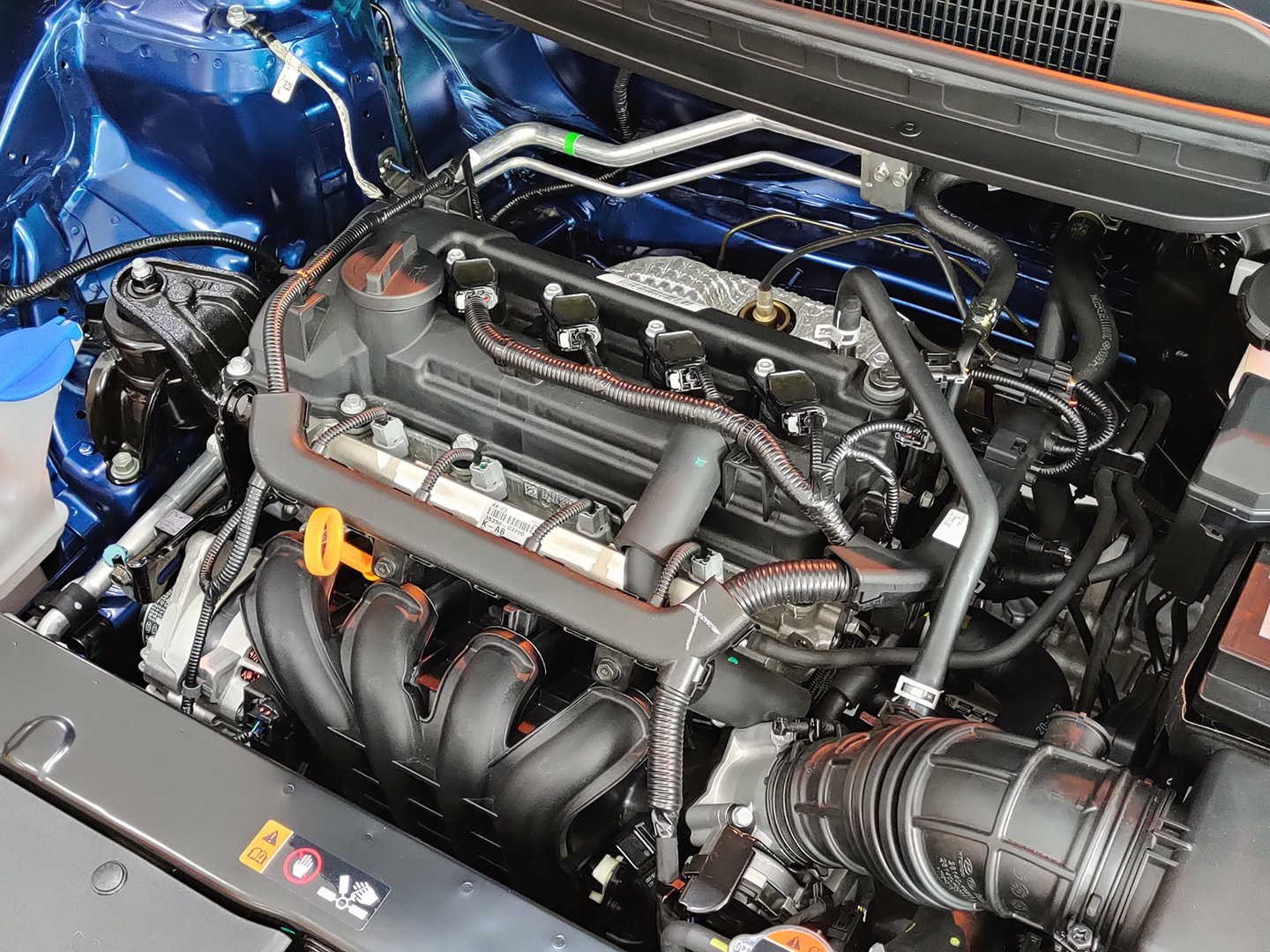
If you’re reading this, there’s a decent chance your Sorento is sitting in a driveway somewhere making a noise it shouldn’t be making, or a shop just quoted you a number that made you sit down. That’s usually how people end up looking for used engines for Kia Sorento models in the first place. Nobody wakes up curious about GDI carbon buildup for fun. You’re here because something went wrong, and you need a straight answer about what a replacement actually costs, which engine fits your VIN, and whether a used unit is even a smart move compared to a rebuild or a new crate engine.
We sell used engines for Kia Sorento vehicles pulled from donor vehicles, tested, and shipped out to buyers all over the world – not just down the street. So this isn’t a generic “here’s how engines work” article. It’s the stuff we actually tell customers on the phone every week: which Sorento engine you probably have, what tends to fail on it, what a fair price looks like, and what to check before you hand over your money to anyone, us included.
Figuring Out Which Engine Your Sorento Actually Has
Kia has put a surprising number of different engines under the Sorento’s hood over the years, which is exactly why so many buyers get confused when they start shopping for used engines for Kia Sorento models. The badge on the back doesn’t tell you much. What matters is the generation, the trim, and the actual engine code stamped on the block – because two Sorentos built two years apart can have completely different engines with zero shared parts.
Here’s the breakdown that actually matters when you’re sourcing a replacement:
| Engine | Displacement | Approx. Power | Years / Where You’ll Find It |
|---|---|---|---|
| Theta II 2.4L GDI (G4KE / G4KJ) | 2.4L I4 | 175-191 hp | Base trims, 2011-2020, various sub-codes |
| Lambda II 3.3L GDI V6 | 3.3L V6 | 270-290 hp | Mid/upper trims, 2011-2020 |
| Lambda 3.5L V6 (MPI, naturally aspirated) | 3.5L V6 | 190-276 hp | Early Sorentos, 2003-2012 |
| 2.2L CRDi Diesel | 2.2L I4 turbo-diesel | 197-202 hp | Export/European markets, 2015-2020 |
| Smartstream 2.5L GDI | 2.5L I4 | 191 hp | 2021+ LX/S trims |
| Smartstream 2.5L Turbo GDI | 2.5L I4 turbo | 277-281 hp | 2021+ EX/SX/X-Line trims |
| 2.8L CRDi Diesel | 2.8L I4 turbo-diesel | 197-202 hp | Export markets, 2021+ |
If you’re not sure which one you’re dealing with, the fastest way is to run your 17-digit VIN through Kia’s build-sheet lookup or just read the engine code off the block itself, usually stamped near the transmission bellhousing. Don’t rely on the trim badge alone – Kia mixed and matched engines across trims more than most brands, especially between 2011 and 2015 when the 2.4 GDI and 3.3 GDI were both offered depending on region and package.
Signs Your Sorento’s Engine Is On Its Way Out
Most people don’t wake up one morning and decide to shop for used engines for Kia Sorento vehicles out of curiosity. There’s usually a warning sign, or several, that got ignored for a few months longer than they should have. A knocking sound that gets louder under acceleration, especially on the 2.4L, often points to rod bearing wear rather than something you can fix with an oil change. Blue smoke out the tailpipe on startup, followed by it clearing up once the engine warms, is a classic sign of worn valve seals or piston rings letting oil into the combustion chamber. On the diesel variants, a check engine light paired with reduced power mode almost always traces back to the DPF or EGR system, and by the time it’s throwing codes, the damage is often already done.
Then there’s the more obvious stuff – a car that won’t hold idle, a Sorento that’s suddenly burning a quart of oil every 1,000 miles, or coolant mysteriously disappearing with no visible leak (which can mean a cracked head or a failing head gasket letting coolant into the cylinders). Any one of these on its own might be fixable. A combination of two or three usually means the engine’s internals are too far gone to chase individual repairs, and that’s when most owners start pricing out used engines for Kia Sorento models instead of throwing more money at a patch job.
How Generation Really Affects What Fits
The Sorento has gone through four full generations since 2002, and each one changed enough under the hood that parts don’t just carry over because the badge says the same thing. The first generation (2002-2009) used the old 3.5L Lambda V6 and a 2.5L CRDi diesel, both fairly different animals from what came later – these are getting harder to source simply because fewer of them are still on the road. The second generation (2009-2015) is where the 2.4L Theta II and 3.3L Lambda II GDI engines took over, and this is probably the most common generation we get calls about, partly because there are just so many of them still driving around and partly because that’s when the direct injection carbon buildup issues really became a known thing. Third generation (2015-2020) refined the same engine family with the 2.2L CRDi diesel joining for export markets. The fourth generation, launched for 2021, moved to the Smartstream 2.5L and 2.5L Turbo, a genuinely different design from the Theta/Lambda engines that came before it.
What this means practically: if you’re sourcing used engines for Kia Sorento models, generation matters more than model year alone. A 2015 could be either late second-gen or early third-gen depending on the exact month it rolled off the line, and the engine mounting points, ECU programming, and wiring harness connectors aren’t always interchangeable even within what looks like the same broad engine family. This is exactly why matching by engine code and VIN beats matching by model year every time.
Where Sorento Engines Actually Fail
This is the part most sellers skip because it’s easier to just list horsepower numbers. But if you’re spending money on used engines for Kia Sorento applications, you deserve to know what you’re buying into.
The 2.4L Theta II GDI is the one that generates the most phone calls. Direct injection engines run hotter and dirtier on the intake valves than the old port-injected units, and without regular fuel system cleaning, carbon buildup chokes airflow over time – you’ll feel it as a rough idle or hesitation around 90,000-120,000 miles. The bigger issue on early builds (roughly 2011-2014) was oil consumption tied to piston ring design, which is part of why Kia extended warranty coverage on a chunk of these engines. Timing chain stretch is the other name that comes up a lot in forums, usually after 130,000+ miles of skipped oil changes.
The 3.3L Lambda II V6 holds up noticeably better in our experience. It’s a more robust design, direct injection issues still apply but at a slower rate, and the main complaints are high-pressure fuel pump noise and, on some model years, carbon buildup on intake valves requiring a walnut-blast cleaning around 80,000-100,000 miles. Fuel economy runs on the thirsty side, 18-19 mpg combined isn’t unusual, but mechanically it’s the stronger of the two gas engines from that generation.
The 2.2L and 2.8L CRDi diesels are workhorses when they’re maintained, and a nightmare when they’re not. EGR fouling, DPF clogging in city-only driving, and injector wear are the recurring themes. If you’re sourcing one of these used, ask for service history – a diesel that’s only ever done short city trips is a different animal than one that’s done highway miles.
The Smartstream 2.5L Turbo in the newer Sorentos is still young enough that we don’t have 200,000-mile data on it yet, but early reports point to similar direct-injection carbon concerns and a dual-clutch transmission that’s pickier about fluid changes than the standard 8-speed automatic paired with the non-turbo engine.
Oil, Fuel, and the Small Things That Decide How Long It Lasts
Once you’ve got a replacement engine installed, what you put in it matters more than most owners realize. Kia specifies 5W-20 or 5W-30 synthetic oil for the gas engines depending on model year and climate, and stretching oil change intervals much past 5,000-7,000 miles on a direct-injection engine accelerates the exact carbon buildup problems that likely killed the last engine. The diesel variants are pickier still – low-quality fuel and skipped DPF regeneration cycles (which mostly happen automatically during highway driving) are the fastest way to shorten the life of a 2.2 or 2.8 CRDi. None of this is unique to buying used engines for Kia Sorento applications specifically, but it’s worth mentioning because a used engine installed into the same neglectful maintenance habits that killed the original one won’t last much longer either.
A reasonable expectation, in our experience selling these engines to customers, is another 80,000-120,000 miles out of a properly tested used engine with moderate mileage on it already, assuming basic maintenance gets done. That’s not a guarantee, it’s a pattern we see repeated often enough to mention with confidence.
New, Rebuilt, or Used – What Actually Makes Sense
A brand-new crate engine from Kia for a Sorento can run you anywhere from $6,000 to $9,000 depending on the engine, before labor. A professionally rebuilt engine sits somewhere in the $3,500-$5,500 range. Used engines for Kia Sorento buyers who go that route are typically looking at $1,200-$2,800 for the engine itself, depending on mileage, engine code, and whether it comes with the wiring harness and accessories.
The math usually works out like this: if your Sorento is worth $8,000-$14,000 on the used market and the engine failed at 140,000 miles, dropping $8,000 on a new crate engine rarely makes financial sense. A tested used engine with 60,000-90,000 miles on it, backed by a real warranty, gets you most of the remaining life of the vehicle for a fraction of the cost. That’s the calculation most of our Sorento customers land on, and it’s the honest answer even though we’re the ones selling the engines.
What We Actually Check Before a Sorento Engine Ships
Not every seller does this, so ask whoever you’re buying from directly if they skip these steps.
- Compression test on every cylinder – uneven numbers tell us about ring wear or valve issues before the customer ever sees the engine.
- Visual inspection through the oil fill and valve cover – sludge, metal shavings, or excessive carbon are disqualifying.
- VIN cross-reference from the donor vehicle – so you know the exact engine code matches what left the factory, not a guess based on displacement.
- Mileage verification – pulled from the donor vehicle’s odometer and cluster, not estimated.
- Leak check – oil pan, valve cover gaskets, and timing cover get inspected for seepage.
If a listing for used engines for Kia Sorento doesn’t mention any of this, it’s worth a phone call before you buy. A cheap engine that turns out to have a cracked head or spun bearing isn’t cheap anymore once you’ve paid a shop to pull it back out.
A Quick Real-World Example
A customer reached out last year with a 2016 Sorento LX, 2.4L Theta II, 138,000 miles, rod knock that started after a road trip. Dealer quote for a new crate engine plus labor came in north of $9,500. A local independent shop quoted a rebuild at just under $5,000 with a 60-day parts warranty. We sourced a used engine for his exact code out of a donor Sorento with 81,000 miles, verified compression across all four cylinders, and shipped it with a wiring harness and intake manifold attached for a total under $2,400 including freight. His shop had it installed in about ten hours. That’s not a guarantee every situation lines up that cleanly, but it’s a fairly typical outcome for buyers going this route instead of paying dealer or full rebuild pricing.
Installation, Compatibility, and What to Tell Your Mechanic
Engine swaps within the same generation and engine family are usually straightforward – a 2.4 GDI from a 2013 Sorento will bolt into a 2012 or 2014 with the same code. Where people get tripped up is crossing generations or assuming a 3.3L will drop into a car that came with a 2.4L; the mounts, wiring harness, and sometimes the transmission bellhousing pattern differ enough that it turns a straightforward job into a much bigger one.
Hand your mechanic the engine code, not just “the Sorento engine.” If you bought used engines for Kia Sorento applications from a seller who verified the code against your VIN, this part is easy. Labor for the swap itself typically runs 8-15 hours depending on the shop and whether the engine comes with the wiring harness, intake manifold, and accessories already attached versus a long block that needs everything transferred over.
Worldwide Shipping and What That Actually Means
We ship engines internationally on a regular basis, not as an exception. That means proper crating, documentation for customs, and freight quotes calculated by weight and destination rather than a flat “contact us” that leaves you guessing. If you’re outside the country the engine is listed in, ask for the landed cost up front – engine, crating, and freight together – so there’s no surprise when it clears customs on your end.
Warranty – Read This Part Before You Buy Anywhere
A used engine without a warranty is a gamble no matter how good the compression numbers looked on paper. Look for at least a 90-day warranty as a floor, with longer terms (6 months to a year) available on engines that have been more thoroughly tested. Make sure the warranty terms are in writing before payment, not promised verbally over the phone, and confirm exactly what’s covered – internal component failure is standard, but things like gaskets, sensors, and labor are often handled differently between sellers.
A Few Things People Forget to Ask About
Accessories are the thing that trips up the most buyers after the fact. Some listings for used engines for Kia Sorento vehicles include the intake manifold, alternator, and wiring harness; others are a bare long block with none of it. If your old engine’s accessories are still good, a long block saves money. If your car has been sitting with a blown engine for a while, or the accessories were damaged in whatever caused the failure, it’s worth paying more up front for a complete engine rather than sourcing individual used accessories separately – mismatched parts from different donor vehicles is a common source of headaches down the line.
Return policy is the other thing worth nailing down before you pay. Ask specifically what happens if the engine arrives with shipping damage, and get that answer in writing rather than a verbal assurance. Photos of the engine before it’s crated, and again once it’s uncrated on your end, protect both sides if there’s ever a dispute.
Frequently Asked Questions
How much do used engines for Kia Sorento models typically cost?
Depending on the engine code, mileage, and trim, expect a range of roughly $1,200 to $2,800 for the engine itself, not including shipping or installation labor.
Will a 3.3L V6 fit where a 2.4L four-cylinder came out?
Not directly. Mounts, wiring, and often the transmission differ between the two, so a straight swap without adapting those components isn’t realistic.
How many miles should a good used Sorento engine have left in it?
A well-maintained 2.4 or 3.3 can reasonably go past 200,000 miles. An engine pulled from a donor at 70,000-100,000 miles with clean compression numbers has plenty of service life ahead of it.
Does the engine come with a warranty?
Any reputable seller of used engines for Kia Sorento vehicles should offer a minimum 90-day warranty in writing, with longer options usually available.
What’s In Stock Right Now
Inventory shifts week to week depending on what comes in, but Sorento engines sit under our broader used engines category. Because the Sorento’s Theta II and Lambda families are shared with Hyundai, it’s also worth checking our Hyundai G4KE engine listing and Hyundai G4KD engine listing if you’re cross-shopping compatible codes, or browsing the full Hyundai/Kia engines category for everything we currently have tested and ready to ship.
Bottom Line
Buying used engines for Kia Sorento models isn’t complicated once you know your engine code, understand what tends to fail on it, and buy from someone willing to show you compression numbers instead of just a stock photo. We test every engine before it leaves our warehouse, verify the VIN against the donor vehicle, and ship worldwide with real freight documentation – not guesswork. If you’ve got your VIN or engine code ready, reach out and we’ll tell you exactly what we have in stock and what it’ll cost to get it to you.
Related reading: our guides on used engines for Subaru Outback, used engines for Mazda CX5, used engines for Hyundai Elantra models (which share Theta engine architecture with the Sorento), buying used engines online with worldwide shipping, and our broader guide to finding used engines online cover a lot of the same ground if you’re cross-shopping other makes.
For background on Theta and Lambda engine architecture, Wikipedia’s entry on the Hyundai/Kia Theta engine family is a solid technical reference, and the NHTSA site is worth checking for any open recalls tied to your specific model year before you buy or install anything.
Posts Widget




Best Auto Motors
USA HERALD MAGAZINE INC
Buy the best quality engines from our website online and get a fast delivery within 6 days.
Copyright 2022.KlbTheme . All rights reserved
