


Used Volvo Engines for Sale – Tested, Warrantied & Shipped Worldwide
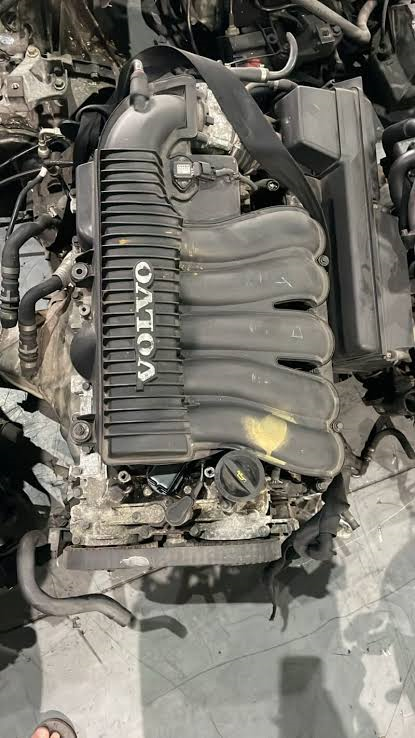

Volvo built its brand around safety and longevity, and the engines mostly live up to that reputation — these are cars people keep well past 200,000 miles. When the engine itself finally needs attention, whether it’s a high-mileage XC90 or an S60 that’s been a reliable daily for over a decade, a tested used Volvo engine is usually the more sensible path than paying dealer prices for new, particularly given how specialized Volvo dealer service can get in some markets.
We test and sell used Volvo engines for the S60, S80, S90, V60, V70, V90, XC60, XC70, and XC90 lineup, spanning the older five-cylinder era through the modern Drive-E four-cylinder platform. Every engine gets compression-tested, inspected for family-specific wear points, and shipped worldwide with a warranty on internal components. Here’s what to know before you buy.
Volvo Engine Families We Stock — Specs You Should Know
B5254 2.5L Turbo Five-Cylinder (2001–2009)
- Displacement: 2.5 liters, turbocharged inline-5
- Output: 208–230 horsepower and 236–258 lb-ft of torque depending on application
- Found in: S60, V70, S80, XC70, XC90 (2.5T trims)
- Notes: the distinctive inline-5 layout is a Volvo signature from this era — smooth-running and generally durable when maintenance is kept current
B6284 2.8L Twin-Turbo V6 (2005–2009)
- Displacement: 2.8 liters, twin-turbocharged V6
- Output: 268–281 horsepower and 280 lb-ft of torque
- Found in: XC90 V8-alternative trims, S80
- Notes: shares architecture with the Yamaha-built V8 Volvo used briefly in the XC90; the twin-turbo V6 is the more common and more serviceable option on the used market
D5244 2.4L Turbo Diesel Five-Cylinder (2001–2015)
- Displacement: 2.4 liters, turbocharged diesel inline-5
- Output: 163–215 horsepower and 295–354 lb-ft of torque depending on generation
- Found in: S60, V70, S80, XC70, XC90 (D5 trims)
- Notes: a strong, torque-heavy engine that’s especially popular in European and international markets where diesel Volvos were far more common than in North America
Drive-E T5 2.0L Turbo (2014–present)
- Displacement: 2.0 liters, turbocharged inline-4
- Output: 250 horsepower and 258 lb-ft of torque
- Found in: S60, S90, V60, V90, XC60 (T5 trims)
- Notes: this is the engine we move the most of from Volvo’s modern lineup — a downsized, high-output four-cylinder that replaced the older five- and six-cylinder engines across most of the range
Drive-E T6 2.0L Twin-Charged (2014–present)
- Displacement: 2.0 liters, both turbocharged and supercharged inline-4
- Output: 316 horsepower and 295 lb-ft of torque
- Found in: XC90, S90, V90, S60/V60 Polestar-adjacent trims
- Notes: the combination of a supercharger for low-end response and a turbocharger for top-end power is a genuinely unusual engineering approach — a strong engine, but one with more complexity to test and service than the single-turbo T5
B5244 2.4L Non-Turbo Five-Cylinder (1998–2009)
- Displacement: 2.4 liters, naturally aspirated inline-5
- Output: 168 horsepower and 170 lb-ft of torque
- Found in: S60, S80, V70 (base trims)
- Notes: a straightforward, dependable base-trim engine with a strong reputation for longevity when properly maintained
What to Check Before You Buy a Used Volvo Engine
- Turbo history. Most modern Volvo engines are turbocharged, so ask specifically about turbo condition, boost history, and whether the turbo has ever been replaced.
- Timing belt vs. timing chain. Older five-cylinder engines use a timing belt with a defined service interval; later Drive-E engines moved to a timing chain, which changes the maintenance conversation for a used engine purchase.
- Diesel-specific checks (D5 buyers). Ask about injector condition, DPF status, and turbo health, since these are the parts most likely to need attention on a high-mileage diesel five-cylinder.
- Mileage and compression numbers. Documented on every listing, with even compression across all cylinders as the baseline for a healthy engine.
- Warranty coverage. Confirm exactly what’s included on internal components before you commit.
How We Test Every Used Volvo Engine
Every engine gets the same baseline process: visual inspection for cracks or prior damage, followed by a compression test across all cylinders. On turbocharged models — which is most of what Volvo has built since the early 2000s — we also check turbo shaft play directly and inspect for oil residue in the intercooler piping, since a failing turbo is one of the more common reasons a Volvo engine gets pulled from an otherwise sound donor vehicle.
For the diesel D5 engines specifically, we check injector condition and look for signs of DPF-related issues, since these are common wear points on high-mileage diesel units that have covered serious distance in stop-and-go conditions. Every result — mileage, compression, turbo and injector condition where applicable — gets documented and ships with the engine.
Common Symptoms That Mean Your Volvo Needs a Replacement Engine
- Turbo whine or boost loss — points to a failing turbocharger, common across the turbocharged five-cylinder, V6, and Drive-E engine families as mileage climbs.
- Excessive black smoke on a D5 diesel — often injector wear or a DPF-related issue, both common on high-mileage diesel units.
- Timing belt failure symptoms on older five-cylinder engines — these are interference engines, meaning a snapped or skipped timing belt can cause serious internal damage if service intervals were missed.
- Rough idle on Drive-E turbo engines — can point to carbon buildup on the direct-injection intake valves, a maintenance item rather than necessarily a sign of internal engine damage.
- Oil consumption on higher-mileage engines across any generation — worth diagnosing with a compression test before assuming the worst, since it can range from a minor seal issue to more serious ring wear.
Used vs. Rebuilt vs. New
| Option | Typical Cost Range | What You’re Getting |
|---|---|---|
| New crate engine (dealer) | Highest | Brand-new factory parts, longest warranty, often a long wait for availability |
| Rebuilt engine | Mid-range | Original block, new gaskets and seals, quality depends heavily on the shop |
| Tested used engine | Lowest | Factory-original parts, verified mileage, warranty on internal components |
Given how much of Volvo’s lineup relies on turbocharging, a tested used engine with documented turbo condition is often the more transparent option compared to a rebuild where turbo history isn’t always fully known. It’s worth asking pointed questions either way, but we find buyers get more complete information from a properly tested used engine listing than from a generic rebuild quote.
Installing a Used Volvo Engine: What to Plan For
- Timing belt service on older five-cylinder engines. If you’re installing a B5254 or D5244 and the timing belt history is unclear, replace it during the swap — these are interference engines and the cost of the belt is trivial compared to the cost of engine damage from a failure.
- Turbo oil lines. Fresh oil feed and return lines are cheap insurance on any turbo swap, particularly on the twin-charged T6 given its added complexity.
- Carbon cleaning on Drive-E engines. A used Drive-E engine with unknown maintenance history benefits from a walnut-blast intake valve cleaning as part of the install, given the direct-injection design.
- DPF and emissions components on D5 diesel swaps. Confirm your DPF and related emissions hardware are in good condition separately from the engine itself, since these are often the more expensive parts to replace on a diesel Volvo.
- Labor time. A Drive-E T5 swap typically runs a full day for an experienced shop; older five-cylinder and diesel swaps with more complex accessory setups can take longer.
Volvo Engine Reliability by Generation: The Honest Version
The older inline-five engines — both the B5254 turbo and the naturally aspirated B5244 — have a genuinely strong longevity reputation when maintenance is kept current. The main weak point isn’t the engine internals so much as the timing belt service interval; these are interference designs, and Volvo’s recommended replacement schedule exists for a reason. Engines that had their timing belts replaced on schedule routinely run well past 200,000 miles without major internal work. Engines that didn’t are the ones we see with bent valves and other interference-related damage.
The B6284 twin-turbo V6 is a more complex engine mechanically, and that complexity shows up in service costs even when the engine itself is running well. It’s a strong, capable motor, but sourcing a tested used replacement is often more economical than a full rebuild given how labor-intensive servicing the twin-turbo setup can be.
The Drive-E generation represents a real shift in Volvo’s engineering approach — smaller displacement, higher output through turbocharging (and supercharging on the T6), and a move to a timing chain instead of a belt. Reliability data on these engines has generally been positive, with turbo longevity being the main variable to watch as mileage climbs. The T6’s added mechanical complexity from combining a supercharger and turbocharger means there’s simply more that can eventually need attention compared to the single-turbo T5, though neither has shown itself to be fundamentally unreliable within normal service life.
Diesel D5 engines have their own maintenance profile entirely, more closely tied to fuel quality and DPF condition than to the core engine internals. In markets with consistent access to quality diesel fuel and where DPF regeneration cycles complete normally (which requires a mix of highway and city driving), these engines have a strong reputation for high-mileage durability, often exceeding what the gasoline engines in the same chassis achieve.
What Our Warranty Actually Covers
Every used Volvo engine we sell ships with written coverage on internal components — block, heads, crankshaft, camshafts, pistons, and bearings. External wear items like sensors, gaskets, turbo hoses, and accessory brackets are generally excluded, since a competent installer replaces these during the swap as standard practice regardless of the engine’s underlying condition. We’ll go through the exact terms for your specific engine before you pay, so there’s no ambiguity about what’s covered if something comes up after installation. Correct install practices — proper torque specs, fresh fluids, verified turbo oil lines, and a sensible break-in period — go a long way toward avoiding warranty claims altogether, and the majority of issues we do see trace back to installation shortcuts rather than a problem with the engine itself.
International Logistics: What to Expect
Volvo engines, particularly the diesel D5 and older five-cylinder variants, see steady demand from European and international buyers given how much more common these configurations were outside North America. We handle customs documentation on our end — commercial invoices and certificates of origin where needed — so your broker or freight forwarder has what’s required the moment the shipment lands. Every engine is fully drained of fluids before crating, both for shipping safety and because most destination countries require it for import clearance. Transit times vary by route and current freight capacity, and we give you a realistic estimate before you commit rather than an optimistic one that slips by weeks.
Shipping Used Volvo Engines Worldwide
We ship crated Volvo engines internationally on a routine basis, with particularly steady demand from European markets where diesel D5 and five-cylinder engines were far more common than in North America. Every engine is drained of fluids, crated, and documented for customs before it leaves our facility, with a realistic delivery estimate provided before you commit to an order.
Matching the Right Engine to Your Volvo Model
| Volvo Model | Common Factory Engines |
|---|---|
| S60 / V60 | B5254, Drive-E T5, Drive-E T6, D5244 (diesel) |
| S80 / V70 | B5254, B6284, D5244 |
| S90 / V90 | Drive-E T5, Drive-E T6 |
| XC60 | Drive-E T5, Drive-E T6, D5244 (diesel) |
| XC70 | B5254, D5244 |
| XC90 (first generation) | B5254, B6284, D5244 |
| XC90 (second generation) | Drive-E T5, Drive-E T6 |
Who Buys Used Volvo Engines From Us
Independent shops make up a large share of our Volvo business, usually working against a Drive-E T5 or older five-cylinder replacement for a customer who’s kept their Volvo well past the point most owners trade in. International buyers, particularly in Europe and other markets where diesel Volvos were common, make up a significant portion of our D5 engine demand. The rest are DIY owners and small specialty shops who work specifically on Volvos and know the platform well enough to handle their own installations.
A Note on Pricing
Pricing depends on engine family, mileage, and current supply. The Drive-E T5 is one of our more consistently available and reasonably priced options given how many modern Volvos are on the road. The B6284 twin-turbo V6 and the D5244 diesel tend to run at a premium — the V6 because fewer donor vehicles exist with that engine, and the diesel because international demand stays consistently strong. The older naturally aspirated B5244 tends to be one of the more affordable options in the lineup, largely because demand for it is lower than for the more powerful turbo variants.
Related Reading
- Used European Engines for Sale
- Used Turbo Engines for Sale – Tested & Ships Worldwide
- Top Selling Diesel Engines for Trucks & SUVs
Frequently Asked Questions
How much does a used Volvo engine cost?
It depends on the engine family, mileage, and whether it’s a naturally aspirated, turbocharged, or diesel variant. Get a quote against your VIN for an accurate figure.
Do used Volvo engines come with a warranty?
Yes, every engine ships with written coverage on internal components, with terms that vary by engine family.
Can you ship a used Volvo engine outside the US?
Yes, international crating and export documentation are a routine part of our shipping process, and Europe is one of our most common Volvo shipping destinations.
What’s the difference between the older five-cylinder engines and the modern Drive-E line?
The older B5254 and D5244 engines use Volvo’s traditional inline-five layout with a timing belt. The Drive-E line moved to a smaller, high-output inline-four with a timing chain, part of Volvo’s broader shift toward downsized, turbocharged engines across the entire lineup.
Is a used Volvo diesel engine a good option outside Europe?
It can be, provided fuel quality and diesel infrastructure in your market support it. We can advise on whether a D5244 is the right fit for your specific situation and region.
Ready to Order
Whether you’re replacing a tired B5254 in an older S60 or need a Drive-E T5 for a modern XC60, we test every used Volvo engine before it’s listed and back it with a real warranty. Check our Volvo-compatible gearbox and drivetrain inventory if you’re sourcing transmission components alongside your engine order. For factory specifications straight from the manufacturer, Volvo’s own technology and engineering overview is a useful reference, and this technical breakdown of Volvo’s modular engine family covers the design history in more depth.
Posts Widget




Best Auto Motors
USA HERALD MAGAZINE INC
Buy the best quality engines from our website online and get a fast delivery within 6 days.
Copyright 2022.KlbTheme . All rights reserved
