


Used RV Engines for Sale: Tested, Warrantied & Shipped Worldwide
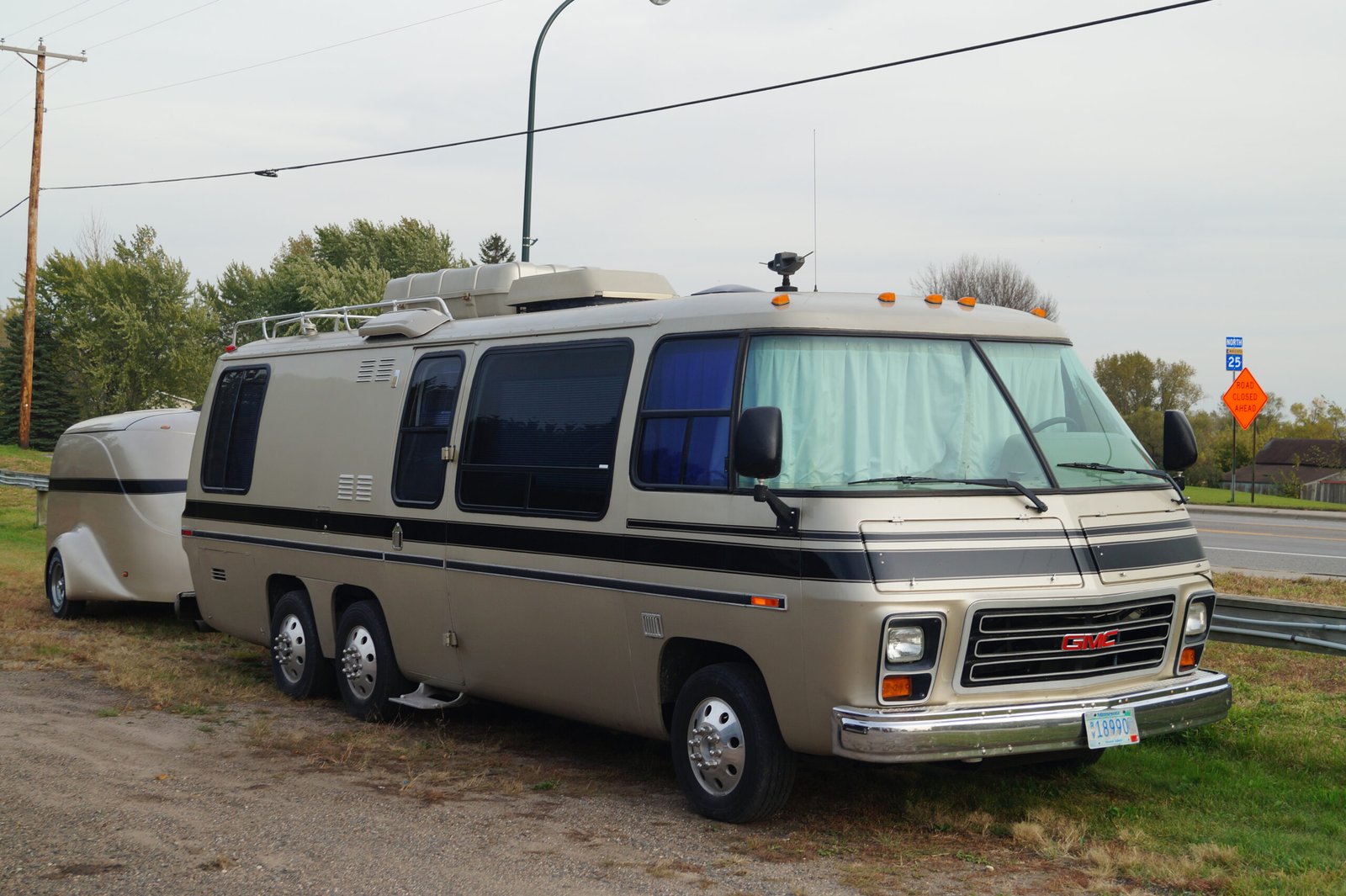
A motorhome with a dead engine is a house you can’t get to the campground, and it turns into an expensive parking ornament fast if you don’t have a plan. That’s the situation that sends most RV owners looking for used RV engines for sale instead of paying dealer prices for a new chassis engine or trading a rig that’s otherwise in great shape for pennies on the dollar. We test and ship gas and diesel motorhome engines regularly, and this guide covers what’s actually out there, what the specs mean, and what to check before you buy.
RV engines get overlooked in most used-engine conversations because the market splits two ways: Class A motorhomes mostly run either big-block gas V8s and V10s or diesel pushers on a commercial chassis, while Class C and B units usually run a van or cutaway truck chassis engine that’s shared with millions of other vehicles on the road. That split actually works in your favor as a buyer, since a lot of RV engines are mechanically identical to engines used in trucks and vans, which means a much deeper used parts market than the RV industry alone would support.
What Counts as a Used RV Engine
- Complete engine assembly — block, heads, and typically the wiring harness and accessories. The most straightforward option for getting a rig back on the road without chasing down individual sensors or brackets.
- Long block — bottom end and heads assembled, without intake, exhaust manifolds, or accessories. Useful when your existing accessories and wiring are in good shape.
- Short block — bare bottom end. Mostly used by shops doing their own machine work on a customer’s existing heads.
Given how much labor goes into a motorhome engine swap, especially on a Class A where the engine sits under a doghouse or in a rear engine bay with limited access, most owners choose the complete assembly to minimize the number of times a mechanic has to go back in for a missing part.
Engine Types by Motorhome Class
Class A gas motorhomes built on Ford or Workhorse/GM chassis commonly run the Ford Triton V10 or GM’s big-block V8s, while Class A diesel pushers run Cummins ISB, ISC, ISL, or ISX engines depending on the chassis manufacturer and model year. Class C motorhomes are typically built on a cutaway van chassis, Ford E-450 or Mercedes-Benz Sprinter being the most common in North America, running the Ford Triton V10 or V8, or the Mercedes OM diesel inline engines. Class B camper vans mostly run whatever engine came in the donor van, Mercedes Sprinter, Ford Transit, or Ram ProMaster.
| Motorhome Type | Common Engine | Typical Displacement | Typical Used Price |
|---|---|---|---|
| Class A gas (Ford/Workhorse chassis) | Ford Triton V10, GM 8.1L V8 | 6.8L – 8.1L | $2,500 – $6,000 |
| Class A diesel pusher | Cummins ISB, ISC, ISL | 5.9L – 8.9L | $8,000 – $22,000 |
| Class C (Ford E-450 cutaway) | Ford Triton V10/V8 | 6.8L | $2,200 – $5,000 |
| Class C / Class B (Sprinter chassis) | Mercedes OM642/OM651 diesel | 2.1L – 3.0L | $3,500 – $7,500 |
Diesel pusher engines carry the highest price tag by a wide margin, both because they’re larger, more complex units and because they’re built for commercial-grade duty cycles that hold value even at higher mileage.
Platform Notes: What We See Most Often
Ford Triton V10 (Triton 6.8L): This is probably the single most common engine we source for Class A gas and Class C motorhomes, since Ford supplied chassis to a huge share of the RV industry for decades. Spark plug ejection from the aluminum heads is a well-documented issue on early Triton V10s, and it’s worth asking whether a used unit has had the heads addressed with inserts before you buy.
GM 8.1L Vortec (Workhorse chassis): Found in a lot of older Class A gas coaches on Workhorse and GM P-series chassis. These big-block engines are generally durable but heavy, and parts availability has thinned out somewhat as GM has moved away from big-block gas platforms, which is part of why used units hold steady demand.
Cummins ISB, ISC, and ISL: The backbone of the diesel pusher world, these engines show up in Freightliner, Spartan, and other commercial chassis under coaches from Newmar, Tiffin, Entegra, and others. They’re built for heavy-duty commercial service, which is exactly why a well-maintained used ISB or ISC with moderate hours can still have a long service life ahead of it. Our Cummins engine inventory covers these platforms in more detail.
Mercedes-Benz OM642 and OM651 diesel (Sprinter chassis): Common in Class B camper vans and some Class C units. These are more electronically complex than the domestic V8 and V10 options, and matching the correct engine control unit to your specific chassis emissions configuration matters more here than with older mechanical diesels.
Why RV Engines Actually Fail
Long periods of storage between trips. Unlike a daily driver, most RVs sit for weeks or months between uses, and an engine that isn’t run regularly develops its own problems: stale fuel, dried-out seals, and battery drain that leads to a hard start that stresses the starter and, over time, the engine itself.
Overheating from towing or mountain driving with a heavy load. A fully loaded motorhome pulling a hill in summer heat puts a different kind of stress on a cooling system than the same engine would see in a lighter passenger vehicle, and radiators sized adequately for a truck chassis aren’t always sized generously enough for a fully loaded RV body on top.
Neglected maintenance intervals because the RV isn’t driven like a daily vehicle. Oil sitting in a crankcase for a year between short seasonal trips ages differently than oil that gets regular highway miles, and a lot of owners don’t realize their maintenance schedule should be based on time as much as mileage.
Diesel-specific issues on pusher chassis like injector fouling from infrequent full-throttle running, since diesels are happiest under sustained load and a lot of RV driving is stop-and-go through campgrounds and towns.
What “Tested” Means for an RV Engine
- Compression testing across all cylinders against factory specification for that engine family.
- Visual inspection of the block, heads, and accessory mounts for cracks, corrosion, or prior repair work.
- Oil condition check for metal content, coolant intrusion, or signs of extended idle-related sludge buildup.
- Cooling system component inspection where applicable, since overheating history is one of the more common issues specific to RV chassis engines.
- Mileage verification pulled from the donor chassis, cross-referenced against title or service records when available.
None of this guarantees indefinite service life, nothing used does, but it separates a documented engine from a gamble, and that documentation is exactly what you’re paying for when you buy from a tested supplier instead of an anonymous salvage listing.
What to Check Before You Buy
- Mileage and how it was verified. RVs often accumulate mileage very differently from cars, low annual miles but long periods of inactivity, so ask how the number was confirmed.
- Whether accessories and wiring are included. Motorhome engine bays are often tight and customized around the coach body, and missing a bracket or sensor can turn a straightforward swap into a scavenger hunt.
- Chassis compatibility, not just engine family. The same engine family can be tuned differently for a Class A pusher application versus a truck application, so confirm the specific application match.
- Cooling system condition if you’re also planning to reuse your existing radiator and related components.
- Warranty terms, and what specifically triggers a claim if something goes wrong after installation.
Buying From Us: How It Works
We source tested RV engines from insurance salvage, motorhome dismantlers, and running takedowns from coaches retired for non-engine reasons, a totaled body, a chassis upgrade, or an owner parting out a rig after an accident. Every listing includes mileage, compression figures where applicable, and photos of the actual unit rather than a stock catalog image. If your exact engine and chassis combination isn’t currently listed, send us the chassis VIN and we’ll check availability across our supplier network, since RV engine inventory moves fast for popular chassis like the Ford E-450 and Cummins ISB.
Used vs. Rebuilt vs. New RV Engines
A new crate engine from Ford, GM, or Cummins typically runs several times the cost of a tested used unit once you account for the engine itself plus installation labor, which on a motorhome can run higher than a typical car swap due to access constraints around the coach body. A professional rebuild on your existing block makes sense if the block and heads are still sound and you want full control over exactly what gets replaced, but it usually costs more than a comparable tested used engine once machine shop work and parts are factored in. For most owners trying to get a functional RV back on the road at a reasonable cost, a tested used engine is the path that makes the most financial sense. Our engine replacement cost guide has more detail on how these options compare across engine types generally.
Shipping RV Engines Worldwide
RV chassis engines are large and heavy, particularly diesel pusher units, and freight is a meaningful part of the total cost. We crate every engine to protect the block, heads, and any attached turbo or accessories during transit, and we handle export documentation for buyers outside the United States. Most domestic shipments move by freight carrier on a pallet, and international orders typically clear customs within two to four weeks depending on destination port and local import procedures. See our worldwide engine shipping guide for a full breakdown of how international freight actually works for engine-sized cargo.
Regional Notes for International Buyers
RVs and motorhomes see steady ownership in regions like Europe, Australia, and parts of the Middle East, and owners there often face longer wait times and higher costs sourcing a chassis engine locally than buyers in North America, where these engines are more common. If you’re importing a used RV engine, confirm your country’s emissions and import requirements for used commercial or heavy-duty diesel engines specifically, since diesel pusher engines can fall under different import categories than a standard gasoline V8 depending on local regulations.
Installation Notes
Motorhome engine access varies enormously by chassis type. Class C and B units built on a van or truck cutaway are relatively straightforward, similar to any commercial van engine swap. Class A rear-engine diesel pushers require pulling the engine through a rear doghouse or floor access panel, which takes more time and often more disassembly of the coach interior than owners expect going in. Budget for new motor mounts, a full gasket set, fresh coolant and oil, and time to bleed the fuel system correctly on diesel applications. We recommend a post-installation compression and leak check before putting real miles on the replacement engine, just to confirm nothing shifted during shipping and mounting.
Storage and Seasonal Use: Why It Matters for Buyers
One thing that makes shopping for used RV engines for sale different from shopping for a daily-driver engine is how much storage history affects condition independent of mileage. An engine with 45,000 miles that sat in a barn for six years between short seasonal trips can have more issues, dried gaskets, stale fuel residue in the intake, corrosion on internal components, than an engine with double the mileage that was driven regularly. When we evaluate a donor motorhome, we ask about storage conditions and usage pattern specifically because it tells us more than the odometer alone. If you’re buying from any seller, ask the same question: was this rig driven regularly, or did it sit for long stretches between trips? The answer matters as much as the mileage number itself.
This is also why a fresh compression test matters more for RV engines than for some other used-engine categories. An engine that looks fine on paper based on mileage alone can still have issues from inactivity that only show up once you actually put a gauge on it, which is exactly the kind of thing a proper pre-sale test is supposed to catch.
Identifying the Correct Engine for Your Coach
A common mistake we see is a buyer ordering based on the motorhome’s brand name, Winnebago, Newmar, Thor, when none of those companies actually build the chassis or engine. Coach builders buy chassis from Ford, Freightliner, Spartan, Workhorse, or Mercedes and build the living quarters on top, which means two motorhomes from the same coach manufacturer and model year can run completely different engines depending on which chassis option the original buyer selected. Always pull your chassis VIN, not just the coach’s VIN sticker if they differ, and cross-reference the engine code stamped on the block itself when possible. We ask for this on every order specifically to avoid a mismatch that only becomes obvious after the engine has already shipped.
What Actually Moves the Price
Beyond engine family and displacement, mileage and documented maintenance history matter more for RV engines than almost any other used-engine category, given how differently RVs accumulate wear compared to daily-driven vehicles. Whether the accessories, wiring harness, and turbo (on diesel units) are included changes the price meaningfully, since RV-specific brackets and sensors can be harder to source individually than the same parts for a mainstream truck application. Diesel pusher engines command a significant premium over gas V8 and V10 units simply due to their size, complexity, and commercial-grade construction. And as with any used engine category, a documented, tested unit with a clear service history will and should cost more than an untested unit pulled from an unknown source, because the documentation is what actually reduces your risk.
Frequently Asked Questions
Will a used RV engine include the transmission?
Not typically, engine and transmission are usually sold separately unless specifically bundled, since transmission condition and engine condition don’t always track together. Ask if you need both.
How do I know the engine will fit my specific motorhome?
Send us your chassis VIN, not just the coach manufacturer, since the chassis (Ford, Workhorse, Freightliner, Spartan, or Mercedes) determines the actual engine application and mounting configuration.
Is a diesel pusher engine worth more than a gas V10?
Generally yes, diesel pusher engines are larger, more complex, and built for heavier-duty commercial use, which holds value even at higher mileage compared to a gas engine of similar age.
Do you ship used RV engines internationally?
Yes, to most countries, with export paperwork handled on our end. Contact us with your destination and we’ll confirm freight cost and expected transit time before you order.
What’s the difference between a long block and a complete assembly for an RV engine?
A complete assembly includes intake, exhaust manifolds, and typically the wiring harness and accessories, ready to mount with minimal additional parts. A long block is just the bottom end and heads, meaning you’ll reuse your existing accessories and harness.
Can I buy just the long block if my accessories are still good?
Yes. If your intake, exhaust manifolds, alternator, and wiring are in good shape, a long block saves money over a complete assembly. Just confirm your existing accessories will bolt directly to the replacement engine’s specific casting and model year.
What if my RV engine isn’t currently listed in your inventory?
Send us the chassis VIN and we’ll check our supplier network. RV engine inventory turns over quickly for common chassis, and we can often source a specific unit within a few business days even when it’s not sitting in our current listings.
If you’re weighing repair options more broadly, our Cummins engine inventory and diesel engine listings cover the same engine families that power most diesel pusher motorhomes.
Ready to get your rig back on the road? Send us your chassis VIN or engine code and we’ll confirm fit, mileage, and price before you order.
Posts Widget




Best Auto Motors
USA HERALD MAGAZINE INC
Buy the best quality engines from our website online and get a fast delivery within 6 days.
Copyright 2022.KlbTheme . All rights reserved
