


Japanese vs American Used Engines Guide 2
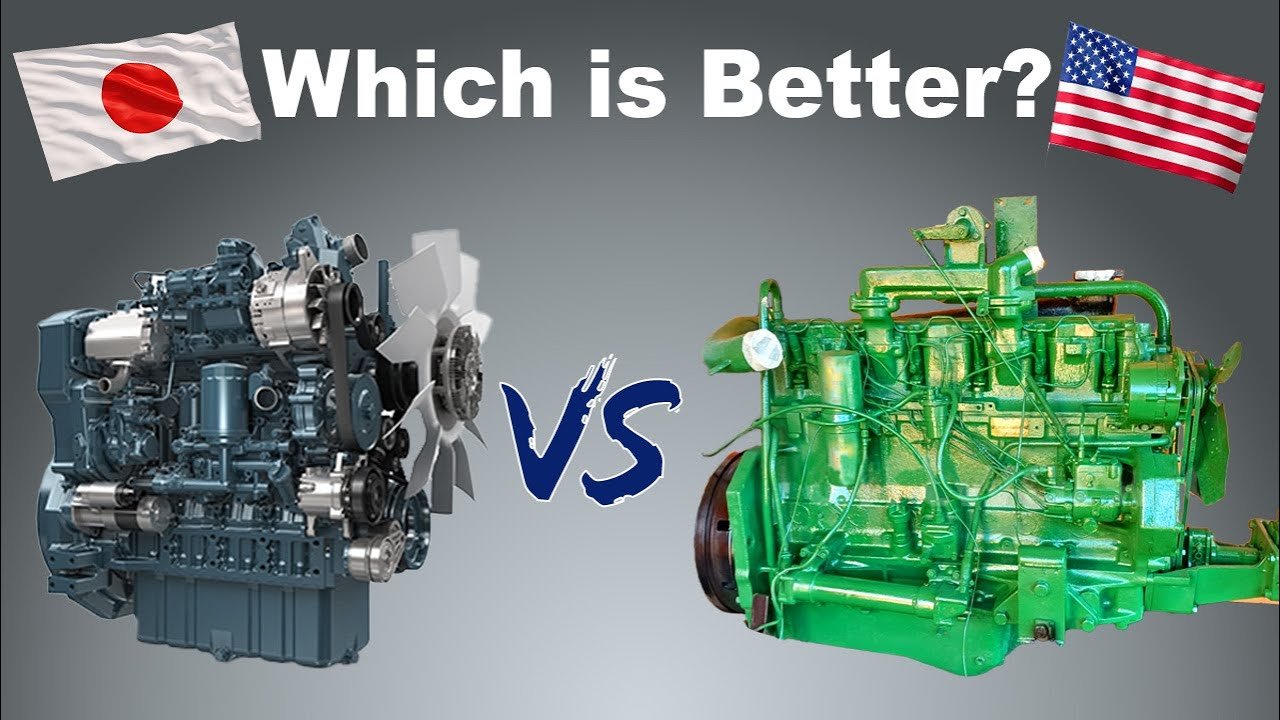
Japanese vs American Used Engines Guide
Let’s keep this honest. Japanese vs American Used Engines Guide
If you’re searching Japanese vs American Used Engines Guide, you’re probably trying to figure out one thing:
Which used engine is actually worth buying?
And honestly, that’s a fair question.
Some people swear Japanese engines are more reliable. Others only trust American engines because they want bigger power and easier repairs.
The truth is, both have strengths.
It depends on what kind of vehicle you drive, what you expect from the engine, and how you actually use the car.
So instead of repeating the same generic advice people copy everywhere, let’s break this down the simple way. Japanese vs American Used Engines Guide
Why people buy used engines in the first place
Nobody replaces an engine because they’re bored.
Usually it happens because:
- The original engine failed
- Repairs became too expensive
- Buying another car costs more
That’s where used engines make sense.
A good used engine can save thousands compared to:
- Rebuilding
- Buying new
- Replacing the entire vehicle
First — what counts as a used engine?
A used engine is simply an engine removed from another vehicle.
Most come from:
- Accident vehicles
- Salvage cars
- Vehicles with body damage
- Cars taken out of service
That doesn’t automatically mean the engine is bad.
A lot of engines are removed while still running perfectly fine. Japanese vs American Used Engines Guide
Japanese engines — why people like them
Japanese manufacturers built a strong reputation over time.
Brands like:
- Honda
- Toyota
- Nissan
- Subaru
became known for reliability.
That reputation is a big reason buyers search for Japanese used engines worldwide. Japanese vs American Used Engines Guide
What Japanese engines are known for
Most Japanese engines are known for:
- Fuel efficiency
- Reliability
- Smooth operation
- Long lifespan
They’re usually designed for practical daily driving. Japanese vs American Used Engines Guide
Why people trust Japanese engines
Because many of them simply last.
It’s common to see:
- High mileage Hondas
- Long-running Toyotas
- Reliable Nissan engines
That consistency built trust globally.
Japanese engines and fuel economy
This is one area where Japanese engines usually perform well.
They’re often designed to:
- Use less fuel
- Reduce emissions
- Keep operating costs lower
That matters for daily drivers.
Common Japanese engine types
Typical setups include:
- Inline-4 engines
- V6 engines
- Turbocharged smaller engines
Most focus more on balance and efficiency than raw power. Japanese vs American Used Engines Guide
American engines — why buyers choose them
Now let’s talk about American engines.
This is where things start feeling different.
American engines are often associated with:
- Bigger displacement
- More horsepower
- Strong torque
Especially in trucks and muscle cars. Japanese vs American Used Engines Guide
What American engines are known for
Most American engines are built around:
- Power
- Simpler layouts
- Strong performance
That’s why they’re common in:
- Pickup trucks
- SUVs
- Muscle cars
Why people love American V8 engines
Let’s be honest.
A big reason people choose American engines is the V8 sound and feel.
You get:
- Strong acceleration
- Deep exhaust sound
- More pulling power
It feels completely different from smaller engines. Japanese vs American Used Engines Guide
American engines and towing
This is where American engines dominate.
If you need:
- Heavy towing
- Work-truck power
- Strong torque
American engines usually make more sense.
Reliability — which is better?
This is where arguments start online.
But realistically?
Both can be reliable.
What matters more is:
- Maintenance history
- Mileage
- Previous care
A neglected Japanese engine won’t magically outlast a well-maintained American engine.
Repair costs
This depends on the vehicle.
But generally:
- Japanese engines often have better fuel economy
- American engines can be simpler to repair in some cases
Parts availability also depends heavily on location.
Performance differences
If you want:
- Smooth daily driving → Japanese engines often shine
- Big power and torque → American engines usually stand out
Neither is automatically “better.”
They’re built with different priorities.
Availability of used engines
This matters more than people think.
Some engines are easier to source depending on:
- Your country
- Vehicle demand
- Local market availability
That’s why worldwide suppliers matter.
What “tested” should mean
This is important no matter what engine you buy.
A proper used engine should be checked before sale.
Basic checks include:
- Compression testing
- Leak inspection
- General condition evaluation
If you’re not getting clear information, ask questions.
Typical specifications buyers should expect
When buying a used engine, you should receive:
- Engine size
- Mileage
- Fuel type
- Cylinder setup
- Engine code
- Condition details
Nothing complicated—just clear information.
Buying process (simple)
Here’s how it works:
- Confirm your engine type
- Match compatibility
- Receive engine details
- Make payment
- Shipping is arranged
Simple and direct.
Worldwide shipping
Used engines are shipped internationally every day.
Proper handling includes:
- Secure pallet mounting
- Safe packaging
- Protected transport
As long as it’s handled properly, the process is straightforward.
Common mistakes buyers make
This happens constantly.
- Buying based only on price
- Ignoring compatibility
- Not checking engine condition
- Assuming all used engines are the same
That’s where problems usually start.
Japanese engines — best for these buyers
Japanese used engines usually fit buyers looking for:
- Daily reliability
- Better fuel economy
- Long-term practical use
Especially for commuter vehicles.
American engines — best for these buyers
American used engines usually fit buyers looking for:
- Power
- Towing capability
- Truck or muscle car performance
Especially in larger vehicles.
What we offer
If you’re searching Japanese vs American Used Engines Guide, you’re probably also looking for a reliable engine supplier.
We help buyers with:
- Tested engines
- Low mileage options
- Clear specifications
- Worldwide shipping
- Fair pricing
No confusion.
Which one should you actually buy?
Here’s the honest answer.
Choose Japanese engines if you want:
- Reliability
- Fuel economy
- Daily practicality
Choose American engines if you want:
- Strong performance
- Bigger power
- Towing capability
It depends entirely on your needs.
Final thoughts
If you’re searching Japanese vs American Used Engines Guide, don’t overcomplicate it.
The best engine is the one that:
- Fits your vehicle correctly
- Matches your driving needs
- Has been properly maintained
That matters far more than internet arguments.
And whether you choose Japanese or American, a tested used engine can save you a huge amount compared to buying new.
FAQ
Are Japanese engines more reliable?
Many have strong reliability reputations, but maintenance matters most.
Do American engines have more power?
Usually, especially larger V8 engines.
Which engines are better for fuel economy?
Japanese engines often perform better in fuel efficiency.
Are used engines reliable?
Yes, if properly tested and maintained.
What should I check before buying a used engine?
Mileage, compatibility, and condition.
Can engines be shipped worldwide?
Yes.
Are American engines easier to repair?
Sometimes, depending on the engine design and location.
Which engines are better for towing?
American V8 engines are commonly preferred.
Do you provide tested engines?
Yes.
How do I place an order?
Contact us, confirm details, and proceed.
If something isn’t clear, ask before buying. It’s always cheaper than replacing the wrong engine later.
Cheap vs Premium Used Engines for Sale
Cooling System Tips for Used Car Engines 2
Cheap Engines for Sale Near Me (Online Options)
Posts Widget




Best Auto Motors
USA HERALD MAGAZINE INC
Buy the best quality engines from our website online and get a fast delivery within 6 days.
Copyright 2022.KlbTheme . All rights reserved
